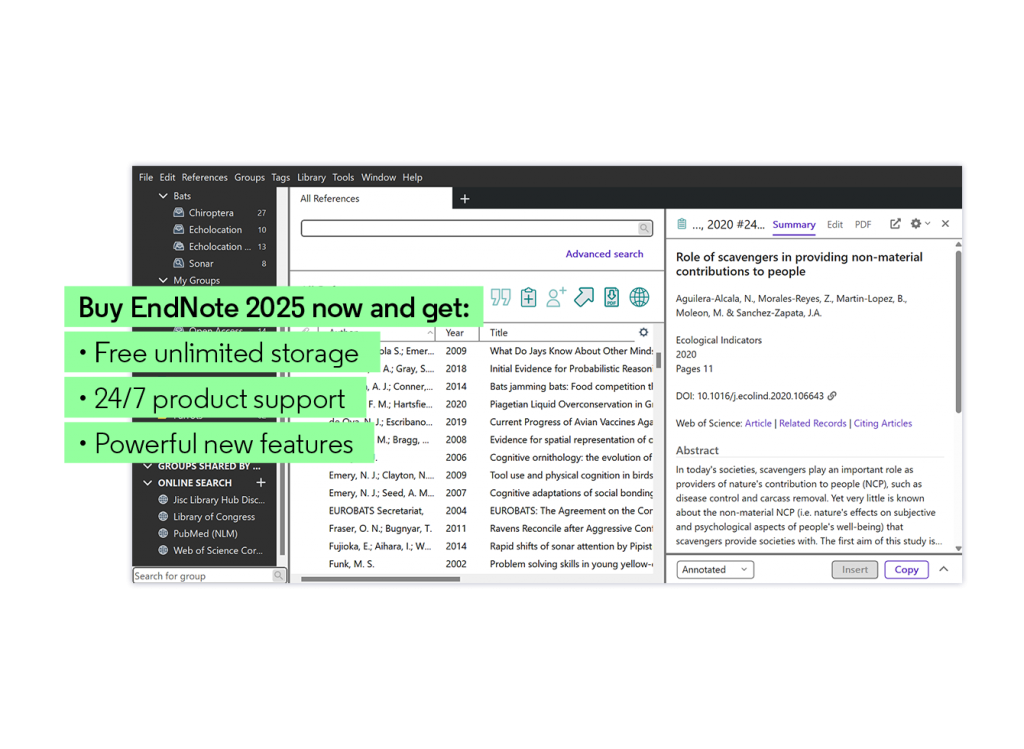

If you have ever spent a late night staring at a wall of browser tabs, trying to figure out why your bibliography isn’t formatting correctly in APA style, then you know exactly why I’m writing this today. Academic writing is hard enough on its own. Trying to keep track of every journal article, book chapter, and obscure website you’ve cited is, frankly, a recipe for a meltdown.
I remember the moment I realized my manual citation management system was failing. It was three weeks before my thesis deadline, and I found a source I’d cited in my introduction but had completely misplaced in my messy “Research” folder. That was the day I finally committed to using EndNote. It wasn’t just about organizing files; it was about saving my sanity.
For those who don’t know, this software has been the gold standard in academia for decades, and there is a reason for that. If you are looking to streamline your research process, you can Visit Official Website Now to see how the current version looks.

The Daily Struggle of Citation Management
We’ve all been there. You find a great quote, you copy and paste it into your draft, and you promise yourself you’ll add the citation later. Then, “later” becomes “two months later,” and now you’re doing detective work to find the original DOI. Before I started using dedicated software, my desktop was a graveyard of PDFs named things like “document1.pdf” and “scan_final_real.pdf.”
When I finally installed EndNote, the first thing I noticed was how much mental space I cleared up. I stopped worrying about whether I had the right year or the right author name for a source. I just let the software handle it.
What Real Users Are Saying
I’m not the only one who feels this way. I spent some time digging through forums and talking to peers in my graduate program to see if others felt the same relief. Here is what some of them had to say:
“I used to spend hours every weekend formatting my reference list. Now, with EndNote, it takes me seconds. It’s paid for itself in saved time alone.” — Sarah J., PhD Candidate
“I was intimidated by the interface at first, but once you set up your library and learn how to use the ‘Cite While You Write’ feature, there’s no going back. It’s essential for my workflow.” — Michael T., Medical Researcher
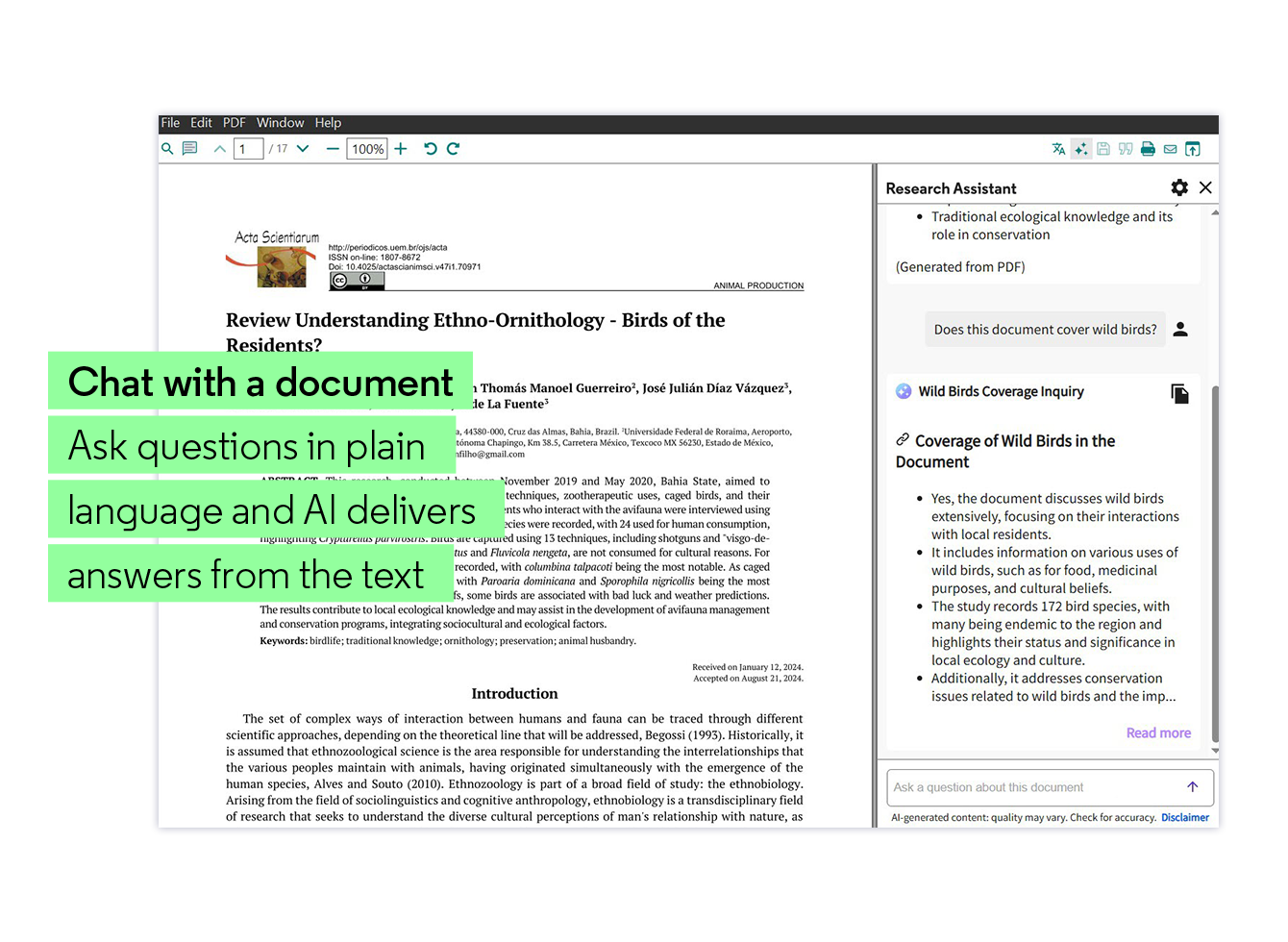
“I love the PDF annotation features. Being able to highlight and take notes directly inside the software while keeping the citation info attached is a total game changer.” — Elena R., Literature Reviewer
Getting Started with EndNote
If you’re considering making the switch, my advice is to start early. Don’t wait until the week before your deadline. When you first download the software, start importing your existing PDFs. The import tool is fantastic—it often recognizes the metadata automatically, pulling in the author, journal, and page numbers without you needing to type a single thing.
The “Cite While You Write” feature is probably the most famous part of the software. You get a little toolbar inside Microsoft Word (or Google Docs, depending on your setup). As you write, you simply click “Insert Citation,” search for your source, and it pops right in. If you decide to change your citation style from APA to MLA or Chicago, it’s literally a one-click change for the entire document. Imagine doing that manually!
Why It Beats the Alternatives
There are free options out there, sure. I’ve tried them all. But for someone handling a long-form paper—like a thesis, dissertation, or a professional article—the free tools often hit a wall. They run out of storage space quickly, or the PDF management is clunky, or they crash when the document gets over 50 pages.
EndNote is built for the heavy lifting. It can handle massive libraries of thousands of references without breaking a sweat. It syncs across devices, so if I’m working at the library on my laptop and then switch to my desktop at home, everything is right where I left it. If you are serious about your academic or professional writing career, you owe it to yourself to get a tool that won’t fail you. You can Visit Official Website Now to see the pricing tiers that fit your budget.
My Personal Pro-Tips for Success
Over the years, I’ve developed a few habits that keep my research organized. Here is how I use the software:
- Use the Tags/Keywords feature: Don’t just dump PDFs in. Add tags like “Thesis Chapter 1” or “Theoretical Framework.” It makes finding things later incredibly fast.
- Sync immediately: Always make sure your library is backed up to their cloud service. You don’t want to lose two years of research because of a hard drive crash.
- Customize your styles: If you are submitting to a specific journal, check their website. Many have custom EndNote output styles available for download that match their specific requirements perfectly.
I remember feeling so overwhelmed by my reading list during my second year. I had hundreds of PDFs scattered across my cloud drive and email attachments. Using the search function in my library, I was able to find a paper I hadn’t thought about in months just by searching for a specific keyword in the abstract. That saved me at least three hours of digging through old folders.
The Learning Curve: Is it Worth it?
I hear people say, “But isn’t it hard to learn?” Look, any new software takes a day or two to get used to. But compared to the weeks you lose manually formatting bibliographies, it is a drop in the bucket. There are thousands of YouTube tutorials available, and the support documentation is excellent.
I personally found that once I spent one afternoon inputting my primary sources, the rest was on autopilot. The software is intuitive once you understand the basic workflow: Import, Organize, Cite. That’s it.
Final Thoughts
Looking back, I honestly don’t know how I would have finished my graduate work without it. The stress of managing dozens of sources in a long document is enough to make anyone want to quit. Having a reliable, stable, and powerful partner in my writing process gave me the confidence to focus on my arguments and analysis rather than the placement of commas and periods in my bibliography.
If you’re a student, a researcher, or just someone who deals with heavy amounts of academic reading, this is an investment you won’t regret. It pays for itself in time saved, but more importantly, it buys you peace of mind. If you want to stop the madness and get your writing process under control, I highly recommend checking out their platform.
You can Visit Official Website Now and explore all the features that make this software the go-to choice for researchers around the globe. Don’t let your next project become a citation nightmare—get the right tools for the job today. When you’re ready to organize your research once and for all, you can Visit Official Website Now to get started with your new library.
Academic life is hard, but your citation management doesn’t have to be. Stay organized, keep your references clean, and focus on the research that actually matters to you. Happy writing!