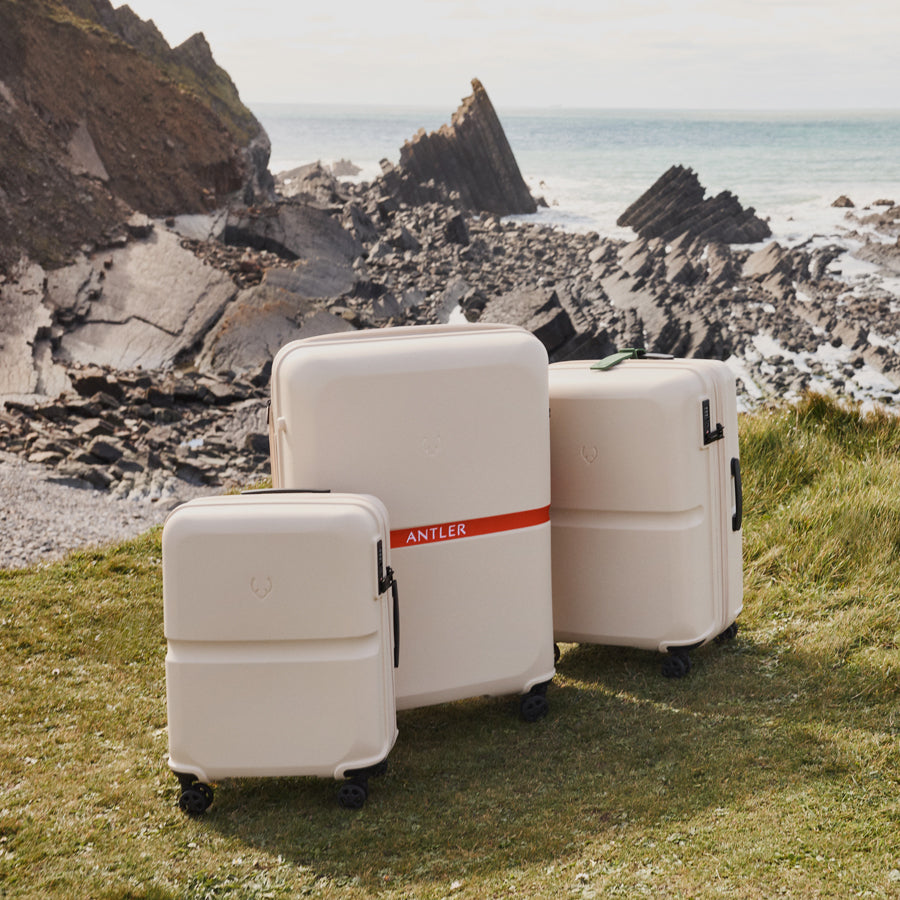

If you follow any travel bloggers or frequent Australian airports, you’ve probably noticed a specific aesthetic popping up at the luggage carousel lately. The minimalist, clean-lined suitcases from Antler seem to be everywhere. For years, I was the person nursing a battered, mismatched suitcase held together by a prayer and a very optimistic zipper. After my last international flight where my old bag finally gave up the ghost—scattering half my clothes onto the terminal floor—I decided it was time to invest in something that didn’t look like it survived a war.
I’ve been putting my Antler luggage to the test for six months now, trekking through domestic terminals in Sydney and dealing with the rough-and-tumble baggage handling of long-haul international flights. Here is what I’ve learned about their build quality, design, and whether they actually hold up in the real world.
First Impressions: Aesthetics vs. Reality
When you first pull an Antler suitcase out of the box, you immediately notice the weight—or lack thereof. Coming from a hard-shell bag that weighed a ton even when empty, the Clifton range felt like a breath of fresh air. I went with the medium checked size in a muted sage colour. It’s understated, classy, and most importantly, easy to spot when it finally crawls onto the carousel after a three-hour wait.
But beauty doesn’t mean much if the wheels lock up after a week. I’ve put these wheels through the wringer, from the smooth polished floors of Melbourne Airport to the cracked, uneven footpaths of a side street in Europe. They glide. There’s a satisfying silence to the movement that makes you feel like you’ve got your life together, even when you’re sprinting to catch a boarding call.
Life on the Road: My Own Use
The real test for me was a three-week trip through varying climates. I’m notorious for overpacking, and I usually end up sitting on my suitcase to get the zip shut. The Antler case features a really intuitive internal compression system. It doesn’t just squash things; it keeps them organized. The pockets for smaller items meant I didn’t have to dump the entire contents of my bag just to find my charging cable.
What I really appreciated was the handle. A lot of luggage brands skimp on the trolley handle, leaving it feeling flimsy or wobbly. The Antler handle has a solid, locked-in feel. It didn’t rattle, and it didn’t feel like it was going to snap off when I had to lift the bag over a curb or up a set of stairs in a hotel without a lift.
Customer feedback echoes this sentiment. One frequent flyer mentioned: “I’ve traveled for business for twenty years, and this is the first bag that feels like it was designed by someone who actually goes through security checkpoints every week. It’s sturdy, reliable, and honestly, the wheels are just on another level compared to my old Samsonite.”
Durability and Those “Airport Scuffs”
Let’s talk about the hard shell. I’ve seen reviews worrying about scuffs. Look, if you buy a white or light-coloured suitcase, it will eventually get some marks. That’s the reality of checking bags. My sage case has picked up a few character marks over the last few months, but the material hasn’t cracked, and the dents pop right back out.
I asked a friend who works in baggage handling about luggage brands, and they noted: “We see a lot of broken bags. The ones that come through with broken wheels or split seams are usually the budget-tier stuff. If someone brings in a decent brand like Antler, it usually stays in one piece. It’s refreshing to handle something that isn’t falling apart.”
Does It Justify the Price?
We’ve all had that moment of sticker shock. There are plenty of $50 bags at department stores, so why spend more on Antler? For me, it comes down to the “cost-per-trip” calculation. If I buy a cheap bag, I’m replacing it every year. By opting for a higher-quality product, I’m not stressing about the zipper blowing out right before a flight. The warranty is also a big factor; it gives you peace of mind that the company stands behind the build quality.
Another user shared: “I was hesitant about the investment at first, but after dragging this bag across Asia for a month, I’m a convert. The organization inside makes packing a breeze, and I didn’t have to worry about my gear being protected. Worth every cent.”
The Small Details That Actually Matter
It’s the small things that set this brand apart. The zippers feel substantial and smooth—no snagging. The TSA-approved lock is integrated nicely into the body of the suitcase so it doesn’t get caught on anything during transit. Even the lining inside feels premium, not like that cheap, papery stuff you find in some luggage.
I find that I actually enjoy packing now because everything has a dedicated spot. I use the compression side for my clothes and the zip-up compartment for toiletries and shoes. It keeps my dirty laundry separate from my clean shirts, which is a game changer on longer trips where you don’t always have access to a washing machine.
A Few Things to Consider
Is everything perfect? Well, no suitcase is. If you get the hard-shell model, be aware that it’s rigid. This is great for protection, but it means you don’t have that bit of “give” that you might get from a soft-shell fabric bag. You need to be mindful of how you pack it. If you’re the type of person who needs to cram just one more pair of boots in at the last minute, you might find the hard shell a bit stubborn compared to a fabric bag.
However, the security of the hard shell outweighs that for me. I’ve never felt worried about my laptop or camera gear inside an Antler bag. Another customer mentioned: “I was worried the hard shell would crack in cold weather, but I took it on a ski trip to Japan and it handled the freezing temperatures and the rough treatment perfectly. No regrets.”
Final Thoughts: Is It Right for You?
If you travel occasionally and just need something to hold your stuff, maybe you don’t need to look at premium luggage. But if you’re a frequent traveller—whether for work or for those hard-earned holidays—the transition to a better-engineered suitcase is significant. It reduces the stress of travel. You aren’t constantly checking to see if a wheel has fallen off or if your handle is stuck halfway up.
My Antler suitcase has become a trusted travel companion. It looks professional, it functions flawlessly, and it has genuinely lasted through some pretty rough handling without a single major issue. If you’re tired of replacing luggage every year or you’re just looking for an upgrade that actually makes your airport experience smoother, I would recommend checking out their current range.
Frequently Asked Questions About Antler
Is Antler luggage actually made in Australia?
While Antler is a heritage brand with a massive presence in Australia and a very long history (over 100 years!), their manufacturing happens globally to ensure quality and cost-effectiveness. However, the design and customer service teams are very much focused on the Australian market needs.
What is the warranty like?
Antler offers a very solid warranty on their products. I’ve always found that the peace of mind knowing the brand stands by their manufacturing is a huge selling point. Make sure to register your product on their site once you purchase it to make any future claims as smooth as possible.
Are the wheels replaceable?
One of the best things about investing in a proper luggage brand is that they often have solutions if a wheel finally gives up after years of hard use. It’s far better than having to throw away a whole suitcase because of one small broken part.
At the end of the day, travel is stressful enough. Between security queues, flight delays, and the dreaded dash to the gate, the last thing you want to be thinking about is your luggage. Having a bag that you can rely on lets you focus on the trip itself rather than worrying about your belongings. If you’re on the fence, my experience suggests that you won’t be disappointed by making the jump to a higher-quality piece of gear.