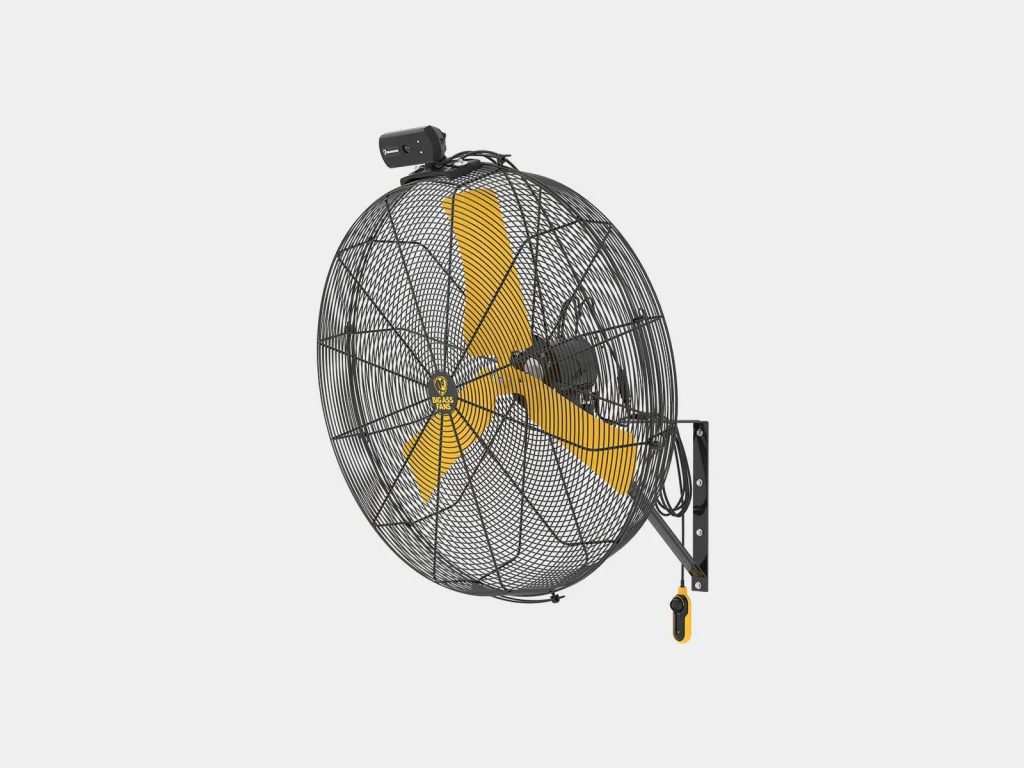

Let’s address the elephant in the room right away. Yes, that is literally their name. When I first told my wife that I was looking into buying a few big ass fans for our newly renovated back patio and the detached workshop, she thought I was joking. She gave me that classic side-eye, waiting for the punchline. But once you spend a scorching July afternoon sweating through your shirt while a standard residential ceiling fan barely stirs the air overhead, you start looking for heavy-duty solutions. That is how I ended up going down a rabbit hole of industrial-grade ventilation.
I am writing this based on my own use over the past two years. We installed one of their residential models on our covered deck, and a buddy of mine put a commercial unit in his auto-repair garage. I wanted to see if these things lived up to the massive hype—and the equally massive price tag. If you are trying to figure out whether you should drop serious cash on one of these units, grab a cold drink and settle in. I am going to break down everything from the buying process to the installation nightmare (yep, there was one) and how they perform when the temperature hits the triple digits.
My First Encounter with the Brand
My obsession started at a local craft brewery. It was a packed Friday night, the kind of summer evening where the air feels like warm soup. Despite fifty people crammed inside and the pizza oven running flat out, it was surprisingly comfortable. I looked up, and spinning lazily above the bar was this gigantic, commercial-grade ceiling fan. It wasn’t making a racket, but you could feel a steady, refreshing breeze moving across the entire room. I noticed the logo on the downrod: Big Ass Fans.
Fast forward a few months, and my wife and I were redoing our outdoor living space. We live in a part of the US where summers are brutal, and our covered patio basically becomes a brick oven from June to September. We tried cheap box fans, we tried a standard 52-inch outdoor ceiling fan from a big-box hardware store, and none of them cut it. The little fan just created a tiny tunnel of moving air that you had to stand directly under. Step two feet to the left, and you were back in the swamp.
That is when I remembered the brewery. I decided to pull the trigger and see what the residential lineup had to offer. If you want to check out their full catalog of options, you can Visit Official Website Now to see what models fit your particular space.
Choosing the Right Model for the Job
Buying one of these isn’t like picking up a light fixture at Home Depot. First of all, the sizing is staggering. They make fans that range from modest home sizes all the way up to massive industrial monsters that require heavy structural support. For our patio, I settled on the Haiku model, which is arguably their flagship residential ceiling fan. It comes in a few different sizes, and we went with the 60-inch version.
The ordering process was pretty straightforward, though customer service had to call me to double-check my ceiling height and mounting type. They take safety seriously, which I appreciated. You cannot just hang one of these heavy units from a standard plastic electrical box. You need proper structural blocking in the ceiling, or you are going to have a very bad day.
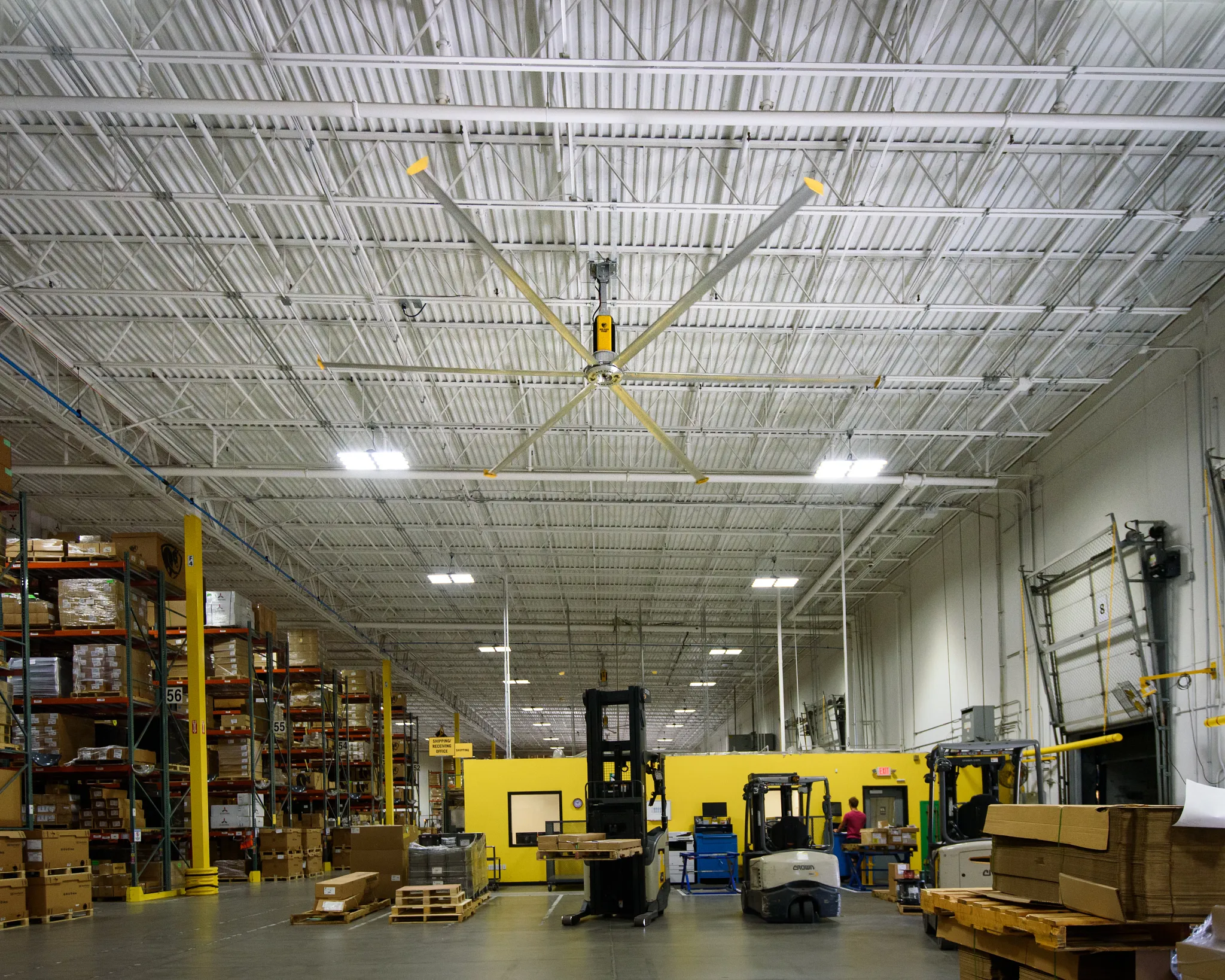
My friend Dave, who runs a custom car restoration shop, went a different route. He bought an actual commercial unit, the Essence model, for his workspace. His garage ceiling is about 18 feet high, and standard fans were completely useless up there. Dave told me later, “Man, I thought my electric bill was going to double running a fan the size of a small helicopter, but it actually lowered our AC costs because the air circulation is so damn good.”
Unboxing and Installation: Not for the Faint of Heart
Let’s talk about the installation, because this is where my DIY confidence took a slight bruising. When the delivery truck dropped off the pallet for my patio fan, I thought there had been a mistake. The box was huge, and pulling the parts out felt like unpacking an airplane wing.
The airfoils (that’s what they call the blades) are precision-balanced. You cannot bang them around or scratch them, or you’ll mess up the aerodynamics. Mounting the motor to the ceiling required me and a buddy, plus a sturdy A-frame ladder and a whole lot of patience. Lifting a heavy motor overhead while trying to feed wires through a downrod is nobody’s idea of a fun Saturday morning.
That being said, the engineering is undeniably impressive. Once you get past the sweat and minor swearing during installation, the fit and finish are top-tier. Everything locks into place with absolute precision. There is no wobbling, no ticking, and no loose parts. It feels like a piece of aerospace machinery bolted to your ceiling.
Performance: How Do They Actually Work in Daily Life?
Alright, so how does it perform after two years of baking in the sun, surviving heavy pollen seasons, and dealing with torrential rainstorms? In a single word: incredible.
The biggest difference between a big ass fan and a traditional ceiling fan is the volume of air they move and the way they move it. Instead of a choppy, high-speed blast that blows your napkins away and makes a whining sound, these units move a massive column of air at a much lower RPM. It feels more like a natural breeze rolling across a lake than a mechanical fan churning.
On our patio, we can run it on a low or medium setting, and the entire outdoor living room—about 400 square feet—feels five to ten degrees cooler. It completely changed how we use our outdoor space during the summer. Instead of retreating indoors when the humidity climbs, we can sit outside, have dinner, and actually enjoy the evening.
The integrated LED light on the Haiku model is also worth mentioning. It has a bunch of dimming levels, and the color temperature is crisp without looking like an operating room. Controlling it is easy too. It comes with a sleek remote, a wall control, and an app for your phone. I mostly use the smartphone integration to set schedules or turn it on before I even step outside.
What Do Other Real Owners Say?
My experience is just one data point. To get a broader picture, I talked to a few other owners and dug through real user reviews to see if my positive experience was an outlier.
Marcus from Texas, who installed one in his massive vaulted living room, shared his thoughts:
“I was ready to return it because of the sticker shock, but within five minutes of turning it on, I knew it was staying. Our living room has a 22-foot ceiling, and the room used to be a heat trap in the summer and an icebox in the winter. This fan completely solved our temperature stratification issue. Best home investment we’ve made.”
Sarah, who owns a yoga studio, went with a commercial model for her main practice space:
“In a yoga room, the last thing you want is a loud, distracting fan noise. This fan is dead silent, even when cranked up high. My clients constantly ask me where I got it because the breeze feels so organic and soothing during a tough class.”
Then there is Kevin, a mechanic who echoed my buddy Dave’s sentiments about shop use:
“Working in a garage during a humid Southern summer is pure misery. We put a 10-foot overhead unit in the shop bays. It keeps the guys cool, keeps the flies away, and helps dry out painted parts faster. Total game changer for our workflow.”
Of course, not every review is sunshine and rainbows. A few people mentioned that the customer service wait times can be frustrating during peak summer season when everyone’s AC and ventilation units start acting up. Another common complaint is the price—you are definitely paying a premium for the brand name and the industrial heritage. But almost everyone agrees that once it’s up and running, you forget about the cost.
Energy Efficiency and Noise Levels
One thing that surprised me was the power consumption. You look at a fan that spans five feet or more and assume it must suck power like an old window AC unit. But these things use surprisingly efficient DC motors.
On lower settings, they pull very little electricity. Even when running continuously during peak months, our monthly power bill barely nudged. The motor efficiency means it doesn’t overheat, either. You can leave it running 24/7 without worrying about burning out the windings.
As for noise? It is whisper quiet. The aerodynamic design of the airfoils prevents that annoying wind-cutting “whoosh-whoosh” sound that cheap fans make at high speeds. On the lowest settings, you literally cannot hear it at all. Even on high, all you hear is the gentle rustle of moving air, not the motor straining.
Pros and Cons After Two Years of Use
Let’s lay out the good and the bad so you can decide if this purchase makes sense for your home or business.
The Pros:
- Unmatched Air Movement: They move an immense volume of air without requiring high speeds.
- Build Quality: Commercial-grade materials mean these things are built to last for decades, not just a couple of seasons.
- Silent Operation: No annoying humming, ticking, or whining noises.
- Aesthetics: Say what you want about the name, but the design is sleek, modern, and striking. It acts as a major visual centerpiece in any room.
- Smart Features: Excellent remote, wall control, and app integration that actually works smoothly.
The Cons:
- High Price Tag: These are luxury items. You will pay significantly more than you would for a standard home improvement store fan.
- Installation Hassle: They are heavy, require careful balancing, and often demand professional help or structural ceiling modifications.
- Shipping and Availability: Because of their size and specialized nature, delivery can take a bit longer than picking something up off a retail shelf.
If the pros outweigh the sticker shock for you, I recommend taking a closer look at their current lineup. You can easily Visit Official Website Now to compare models, sizes, and finish options.
Are There Cheaper Alternatives?
Sure, you can walk into any hardware store and find a $150 ceiling fan. I had those before. The problem is lifespan and performance. Cheap fans tend to develop a wobble after a year or two, their motors start humming, the cheap plastic blades warp in the heat, and they simply cannot push air across a large space.
Think of it like buying a cheap pair of work boots versus investing in high-end, handmade leather boots. The cheap ones will get you through a few months, but your feet will hurt and you’ll be replacing them again next year. The premium option costs a lot upfront, but ten years from now, it’s still doing its job flawlessly.
If you have a standard 10×10 bedroom with a low ceiling, buying a giant industrial-style fan is probably overkill. Stick to a standard residential fan. But if you have a great room with vaulted ceilings, a sprawling outdoor patio, a large workshop, a gym, or a commercial space, standard fans just look and perform like toys by comparison.
Final Verdict
Do I regret spending the money on our patio fan? Not for a single second. Every time we sit outside on a sweltering July afternoon and feel that smooth, continuous breeze cooling us down while our neighbors are melting on their decks, I know it was worth every penny.
Yes, the name is cheeky. Yes, the price will make you wince when you enter your credit card info. But the engineering, the performance, and the durability are the real deal. If you are tired of weak fans that don’t do anything and you want a heavy-duty cooling solution that will last for years, this is the gold standard.
If you’re ready to upgrade your cooling game and want to find the perfect unit for your specific space, make sure to Visit Official Website Now to explore their residential and commercial collections.
