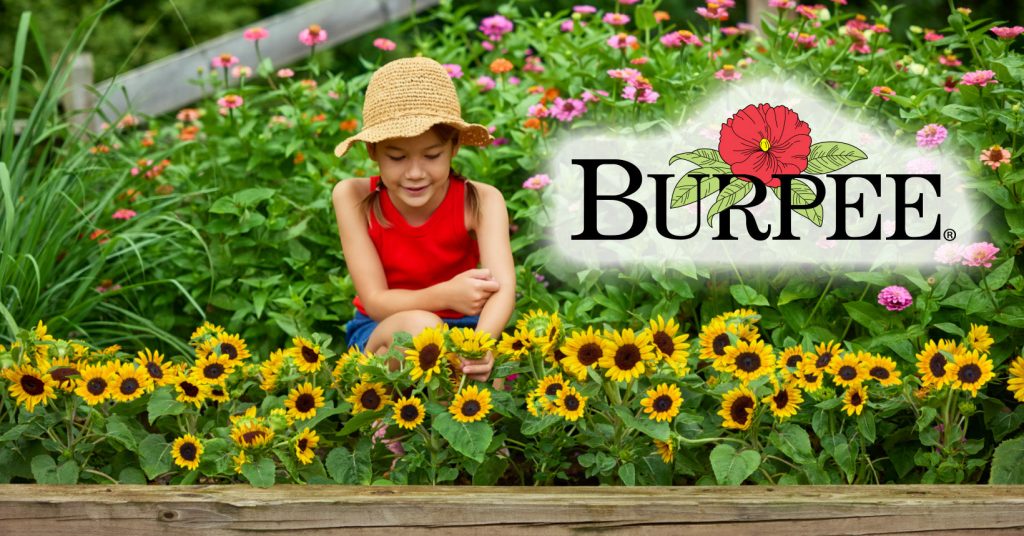

If you walked into my backyard right now, you would probably laugh. Half of my yard is a chaotic jungle of overgrown tomatoes, stubborn squash plants, and a few rogue sunflowers that decided to sprout right in the middle of the walking path. Gardening has been my weekend obsession for over a decade now, and trust me, I have made every mistake in the book. I’ve bought cheap seed packets that resulted in zero sprouts, spent way too much money on fancy organic soil that didn’t do a thing, and cried over tomato hornworms more times than I care to admit.
Every single year, around late January, that familiar itch starts up. The winter grey is getting to me, the seed catalogs start filling up my mailbox, and I am ready to get my hands dirty again. For the last five seasons, a huge portion of my garden success—and yes, a few failures—has come down to one classic brand: Burpee. People always ask me if the hype is real, or if you’re just paying for the recognizable name on the packet. So, I figured it was time to sit down and write out my thoughts based on my own real-world dirt-under-the-fingernails experience.
If you are planning out your own garden beds this year and want to check out their current catalog while you read along, you can take a look here: Visit Official Website Now. Let’s dig into what works, what doesn’t, and whether they deserve a spot in your shed.
Where It All Started: My First Year With Burpee Seeds
Back in 2019, I was a totally overwhelmed beginner. I had built three raised beds out of old cedar fence planks, filled them with whatever bargain-bin potting mix I could find at the local big-box store, and stood in the garden aisle staring at racks of little paper envelopes. I grabbed a bunch of random varieties, but the ones that stood out were the classic yellow-and-green seed packets from Burpee.
I remember planting their ‘Early Girl’ tomatoes and some ‘Black Beauty’ zucchini in small plastic trays on my kitchen windowsill. Back then, I didn’t even have a proper grow light; I just relied on a south-facing window that got decent afternoon sun. I was fully prepared for nothing to happen. But within a week, little green loops started pushing their way up through the damp soil mix. That feeling of waking up, walking into the kitchen with my morning coffee, and seeing tiny green sprouts is a rush I don’t think I’ll ever get tired of.

That first year taught me a lot. Out of the ten tomato seeds I planted, nine germinated. The zucchini went wild—so wild, in fact, that I was begging my neighbors to take zucchini off my hands by July. Since then, I’ve branched out and tried seeds from all over the place—small independent heirlooms, bulk agricultural suppliers, and regional seed savers. Yet, I always find myself coming back to burpee seeds for at least half of my garden plan, simply because I know what kind of germination rate to expect.
What I Love About Growing With Burpee
Let’s talk about the pros, because there are definitely reasons why this company has been around for nearly 150 years. First off, reliability matters. When you only have a short window in the spring to get your seeds started indoors, you don’t want to waste two weeks waiting on seeds that were harvested three years ago and stored improperly in a hot warehouse.
The germination rates across most of their vegetable and flower lines have consistently been high in my experience. Whether I’m throwing down carrot seeds directly into the garden bed or carefully coddling pepper seedlings indoors under LEDs, I rarely deal with duds. Their seed packets also give you solid, straightforward information. On the back, you get clear planting depths, spacing guidelines, days to maturity, and little climate maps that actually make sense for US gardeners.
Another big plus for me is variety. If you want something specific—say, a disease-resistant slicing tomato that won’t split open after a heavy summer thunderstorm, or a specific type of sweet bell pepper that turns bright orange instead of staying green—they usually have it. I’ve had incredible luck with their ‘Supersteak’ tomatoes and various herbs like Genovese basil.
If you want to browse through their massive selection of vegetables, flowers, and gardening supplies yourself, you can head straight over via this link: Visit Official Website Now.
The Downsides: Nothing Is Perfect
Now, I’m not here to write a sugar-coated commercial. Every gardener knows that things go wrong, and no brand is completely bulletproof. There are a few things about buying burpee seeds that drive me a little bit crazy.
For one, price. If you compare a packet of standard bean or lettuce seeds from them to what you might find in a bulk bin at a local farm co-op, you are definitely paying a bit of a brand tax. They aren’t wildly unaffordable by any means, but when you’re buying twenty different packets for a massive backyard plot, the costs add up fast.
I also found that some of their trendy novelty varieties can be a bit finicky. A couple of summers ago, I tried growing a specialized ornamental pepper they offered. While the plants looked gorgeous and colorful, the actual fruit was completely flavorless and barely grew to the expected size. My soil and watering routine were on point, so I chalked it up to the variety just not performing well in my specific climate zone (Zone 6b, for those wondering).
Furthermore, if you buy their seeds off the racks at major department stores in the spring, you have to be careful. Sometimes those racks sit in direct sunlight behind glass storefront windows, baking the seeds before they even make it home with you. Nowadays, I either order directly online or double-check the packet batch dates.
Real Stories From Other Gardeners
It’s easy for me to sit here and talk about my own raised beds, but gardening is a huge community. I talk shop with neighbors, swap tips at the local farmers market, and lurk on way too many online growing forums. I wanted to share what other people are experiencing with these seeds so you get a well-rounded picture.
Here is what Sarah from Ohio told me over our neighborhood fence last spring:
“I tried their ‘Big Boy’ tomatoes last year on a whim because my grandmother always used them. I honestly didn’t expect much because our weather has been so unpredictable with late frosts. Every single seed came up in my starter tray, and by August, I had tomatoes bigger than both my fists combined. I’m definitely sticking with them this season.”
Then there’s Marcus, who posts on my favorite online gardening group and lives down in Georgia (Zone 8a):
“The heat down here is brutal on greens and cool-weather crops. I planted their ‘Buttercrunch’ lettuce in a partially shaded spot, and while the summer heat eventually got to it, I got a solid month longer out of it than the discount seeds I bought the year before. The root systems just felt stronger.”
And here’s a quick note from an email I got from a reader named Elena in Colorado:
“Starting flowers from seed used to terrify me. I bought some of their zinnia and cosmos mixes last winter. Throwing them directly into the dirt after the last frost was practically effortless. My pollinator garden looked like something out of a magazine by July. Worth every penny.”
Hearing stories like these reminds me that while gardening has a lot of variables—weather, soil composition, watering habits—starting with good genetics gives you a massive head start.
Tips for Getting the Best Results With Your Seeds
Over the years, I’ve learned a few hard lessons about starting seeds. If you decide to order some packets, here are my personal tips to help you get the absolute best harvest possible:
- Don’t skip the seed-starting mix: Do not just scoop dirt out of your flower beds and put it in seed trays. Garden soil is too heavy, compacts easily, and often contains fungus gnat larvae or weed seeds. Use a light, sterile, peat-based starting medium.
- Label everything immediately: I cannot tell you how many times I thought, “Oh, I’ll remember which tray has the jalapeños and which has the bell peppers.” Spoiler alert: you won’t. Use plastic plant markers and a waterproof pen.
- Keep them warm: Most vegetable seeds need warmth to germinate, not necessarily light until they pop up. A cheap heating mat under your seed trays will dramatically speed up germination times for tomatoes and peppers.
- Harden off your plants: This is where a lot of people ruin their hard work. If you grow plants indoors under lights and then put them straight outside into 80-degree sun and wind, they will shock and die. Give them a week of gradual outdoor exposure before planting them in the ground.
If you’re ready to pick up some new varieties for your garden setup this year, don’t forget you can check out their entire inventory right here: Visit Official Website Now.
Looking Ahead to This Year’s Garden
As I sit here writing this, my living room already smells faintly of damp potting soil and cedar chips. My seed trays are lined up on wire shelving units, the grow lights are humming softly in the corner, and I’ve got a fresh stack of seed packets sitting right beside my coffee mug.
Will every single plant survive? Absolutely not. Something will probably get munched on by caterpillars, a late spring freeze might nip a tender pepper, or a squash vine borer will try my patience in July. That’s just part of the deal when you decide to grow your own food and flowers.
But having reliable seeds takes a huge weight off my shoulders. When I stick a Burpee tomato or cucumber seed into the dirt, I know that if I do my part with water, sunshine, and care, nature will usually do the rest. And that peace of mind is why I keep going back to them season after season.
If you’ve been on the fence about whether to try out their catalog for your own backyard sanctuary, I say give it a shot. Start small—maybe grab a few packets of herbs or easy-to-grow flowers—and see how they perform in your patch of earth. Happy planting!
To check out their latest offerings, seasonal deals, and gardening guides, make sure to visit their platform here: Visit Official Website Now.