
When you think of Hawaii, images of pristine beaches, surfing, and pineapple often come to mind. And while Oahu certainly delivers on those fronts, my recent trip there opened my eyes to something far deeper and more enriching: the vibrant tapestry of cultures that make up Polynesia. And nowhere did I experience this more profoundly than at the Polynesian Cultural Center.
Before I went, I’d heard snippets about it – a cultural theme park, a luau, a big show. But nothing truly prepared me for the immersive journey I was about to embark on. My goal for this trip was to connect with the local culture beyond just the tourist traps, and the Polynesian Cultural Center seemed like the perfect place to do it. From the moment I started planning, I knew I wanted to dive in completely, and let me tell you, it delivered an unforgettable day.
Stepping into a Different World: First Impressions
The drive up to the North Shore of Oahu, where the Polynesian Cultural Center is nestled, was beautiful in itself. Rolling green hills gave way to a coastline that felt more rugged and untouched than the bustling Waikiki area. As I approached the center, the sheer scale of the place started to become apparent. It’s huge! But despite its size, it felt welcoming, not overwhelming.
Walking through the entrance, I was immediately struck by the atmosphere. The air buzzed with a gentle hum of different languages, the distant sound of drums, and the scent of tropical flowers. There were students everywhere, all with beaming smiles, ready to guide visitors. This is one of the things that makes the Polynesian Cultural Center so unique – it’s a non-profit organization that provides employment and scholarships for students attending Brigham Young University–Hawaii. Knowing that my visit supported these students and their education added another layer of meaning to the experience. It wasn’t just a tourist attraction; it felt like a living, breathing community dedicated to preserving and sharing its heritage.
My first impression was one of awe and anticipation. I grabbed a map, took a deep breath, and prepared to step into the heart of Polynesia.
A Wander Through the Islands: My Day Exploring the Villages
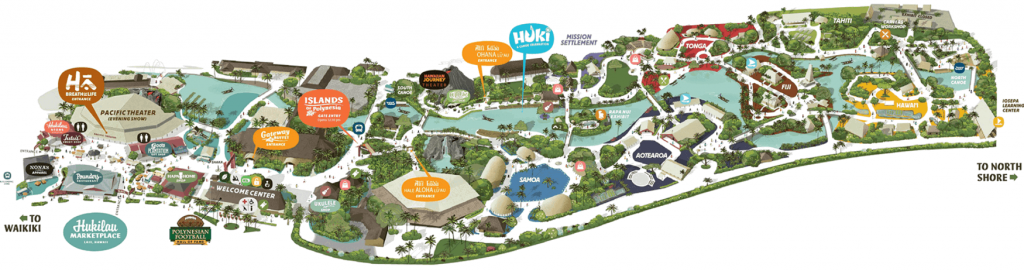
The Polynesian Cultural Center is laid out as six distinct island villages, each representing a different Polynesian culture: Hawaii, Aotearoa (New Zealand), Fiji, Samoa, Tahiti, and Tonga. Plus, there’s a smaller Marquesas exhibit. The idea is that you can wander from one to the next, experiencing the unique traditions, crafts, dances, and history of each. It truly feels like traveling across the Pacific in one day.
Samoa: Fire, Fun, and Coconuts
My first stop was the Samoan village, and what an introduction it was! I walked in just as a demonstration was starting, led by a charismatic Samoan presenter. He immediately had everyone laughing with his playful jokes and incredible skill. He showed us how Samoans traditionally open a coconut – not with a fancy tool, but with a sharpened stick and pure strength! Then he demonstrated how they make coconut milk. But the real showstopper was his fire-making demonstration. Using just two sticks and a bit of dry husk, he conjured fire in what felt like seconds. It was mesmerizing.
He shared stories about Samoan life, weaving in humor and history, and even taught us a few words. I particularly loved the way he engaged the kids in the audience, making them feel like part of the experience. It wasn’t just a show; it was an interactive lesson in resilience, resourcefulness, and community. The energy was infectious, and it set a high bar for the rest of my day.
Aotearoa (New Zealand): The Mighty Māori Haka
Next, I ventured to Aotearoa, the home of the Māori people. This village had a different, more somber, but equally powerful energy. The traditional Māori meeting house, with its intricate carvings, felt incredibly sacred. The highlight here, for me, was witnessing the Haka. I’d seen it on TV during rugby matches, but experiencing it live, up close, with the intensity of the performers’ voices and movements, was truly spine-tingling. It’s a powerful display of unity, strength, and cultural pride.
The presenters explained the history and meaning behind the Haka, dispelling some common misconceptions and emphasizing its role in welcoming and honoring. They also showed us traditional games and crafts, like weaving and carving. I was struck by the deep spiritual connection the Māori people have to their land and ancestors, something that truly shone through in their presentations.
Fiji: Warriors and Traditional Art
Stepping into the Fijian village felt like entering a rainforest. The architecture, particularly the grand temple (bure kalou), was impressive, towering high with its thatched roof. The Fijian presentations focused on their warrior traditions, but also their beautiful artistry. I watched as they explained the process of making tapa cloth, using mulberry bark, and saw examples of their intricate wood carvings.
The drumming in Fiji was particularly captivating – a rhythm that felt both ancient and alive. I learned about their hierarchical society and the importance of chiefs, and how their traditions are passed down through generations. There was a sense of deep respect for history and community in every aspect of their display.
Hawaii: The Heart of Aloha
Of course, no visit to the Polynesian Cultural Center would be complete without experiencing the Hawaiian village. This section felt a bit more familiar, but still offered plenty of new insights. I watched a demonstration of hula dancing, and it was so much more than just a dance; it was storytelling through movement. The instructors explained the meaning behind each gesture, making the performance incredibly profound.
I also tried my hand at some traditional Hawaiian games and learned about their farming practices, particularly the cultivation of taro, a staple crop. The warmth and hospitality of the Hawaiian presenters, embodying the spirit of Aloha, was palpable. It was a wonderful reminder of the rich history and unique cultural identity of the islands I was currently visiting.
Tahiti: Romance and Rhythm
The Tahitian village was pure joy and rhythm. The drumming here was faster, more energetic, and instantly made you want to move. I loved watching the Tahitian dance, which was lively, fluid, and incredibly graceful. The flower lei making demonstration was also a sweet touch; I even got to try making one myself, though mine was nowhere near as perfect as the instructors’.
They also taught us about the Tahitian pearl farming industry and showed examples of their beautiful crafts. There was a romantic, vibrant energy here that made me feel like I was truly on a tropical paradise island. The colors, the music, the smiles – it was all incredibly uplifting.
Tonga: The Royal Kingdom
The Tongan village brought another round of laughter and unique insights. The Tongan presentations are famous for their humor, and for good reason! The hosts were absolutely hilarious, often poking fun at themselves and the audience, all while sharing fascinating facts about Tongan culture. I witnessed a traditional Tongan drumming performance, which involved a lot of clapping and singing, and even learned about the Tongan weaving techniques.
They also did a demonstration of how they prepare food in an underground oven, or ‘umu, which was really interesting to see. The Tongan emphasis on family, respect, and a good sense of humor made their village a truly delightful experience.
After exploring all the villages, I felt like I had genuinely traveled across the Pacific. Each one offered a distinct flavor, a unique story, and a deeper understanding of the incredible diversity within Polynesia. It wasn’t just observing; it was connecting.
The Feast: A Taste of the Islands at the Luau
As the sun began to dip, it was time for the luau, a quintessential Hawaiian experience. There are a couple of luau options at the Polynesian Cultural Center, and I opted for the Ali’i Luau, which promised a royal feast and entertainment.
The setting was beautiful – open-air, with live music and the aroma of kalua pig wafting through the air. The food spread was impressive: slow-cooked kalua pig (dug from the imu, an underground oven, which is always a spectacle!), fresh poke, lomi salmon, poi (which is an acquired taste, but I always try it!), fresh fruits, haupia (coconut pudding), and so much more. Everything was delicious and felt incredibly authentic. It’s not just a meal; it’s a communal celebration.

While we ate, there was live entertainment, including hula dancers and musicians. It’s a lively, joyful atmosphere that really encourages you to relax and soak it all in. The luau is more than just dinner; it’s a cultural performance in itself, setting the stage perfectly for the evening’s main event. If you’re going to experience a luau in Hawaii, this one felt very genuine and well-executed. To plan your own amazing day, make sure to check out their options directly on their site: Visit Official Website Now.
The Grand Finale: “Ha: Breath of Life”
The pinnacle of the day, and for many, the main reason they visit, is the evening show, “Ha: Breath of Life.” Held in the massive Pacific Theater, this performance is truly spectacular. It’s a multi-cultural Polynesian production featuring fire knife dancing, traditional music, and storytelling through various forms of dance from all the island nations represented at the center.
The story follows a young man named Mana from birth to manhood, depicting universal themes of love, loss, family, and overcoming challenges. The choreography is intricate, the costumes are stunning, and the special effects (especially the fire!) are breathtaking. I found myself completely engrossed, captivated by the rhythm and the narrative. The fire knife dancers, in particular, left me speechless. Their skill and precision are incredible.
It’s more than just entertainment; it’s a powerful, moving piece of art that beautifully encapsulates the spirit of Polynesia. I left the theater feeling a sense of wonder and deep appreciation for the cultures I had experienced throughout the day. It brought together everything I had seen in the villages into one cohesive, emotionally resonant performance.
Beyond My Visit: Why the Polynesian Cultural Center Matters
My visit to the Polynesian Cultural Center was more than just a fun day out; it was an educational and profoundly enriching experience. What truly resonated with me is the center’s mission. As I mentioned, it’s a non-profit that helps fund the education of thousands of students from over 70 countries, many of whom come from Polynesian islands. These students work at the center, sharing their heritage and gaining valuable work experience, all while pursuing their academic dreams at BYU–Hawaii.
This means that when you visit, you’re not just seeing performers; you’re interacting with people who are deeply connected to the cultures they represent. Their pride and authenticity shine through in every demonstration, every smile, and every story they share. It gives the entire experience a genuine heart and soul that you might not find in other commercial attractions. It’s a place of cultural preservation, education, and economic opportunity, all rolled into one vibrant package. This commitment to perpetuating Polynesian culture and supporting its people is truly commendable.
Tips for Your Own Polynesian Adventure
If you’re planning a trip to Oahu, I wholeheartedly recommend setting aside a full day for the Polynesian Cultural Center. Here are a few tips based on my experience to help you make the most of your visit:
1. **Book in Advance:** Especially if you want to attend the luau and the evening show, tickets can sell out. Booking online not only guarantees your spot but often gives you access to various package deals that can save you money. You can find all the options and book directly here: Visit Official Website Now.
2. **Arrive Early, Stay Late:** The center opens in the morning (check their website for exact times), and there’s so much to see and do. I spent nearly 10 hours there, and the day flew by. To truly experience all the villages, demonstrations, the luau, and the evening show, you need a full day.
3. **Wear Comfortable Shoes:** You’ll be doing a lot of walking! The villages are spread out, and you’ll want to explore every nook and cranny.
4. **Stay Hydrated:** It gets warm in Hawaii. Carry a water bottle and refill it often. There are plenty of shaded areas, but you’ll be out in the sun a fair bit.
5. **Utilize the Canoe Ride:** There’s a beautiful canoe pageant that travels through the center, showcasing dances from each culture. It’s a great way to rest your feet while still experiencing more performances. You can also use the canoes as a transportation method between some of the villages.
6. **Be Open to Participation:** The presenters love to involve the audience. Whether it’s learning a dance step, trying a craft, or cracking a coconut, jump in! It makes the experience much more memorable.
7. **Consider a Guided Tour:** If you prefer a more structured experience, they offer guided tours that ensure you hit all the highlights. However, I enjoyed the freedom of wandering at my own pace.
8. **Sun Protection:** Sunscreen, hats, and sunglasses are a must.
9. **Budget for Souvenirs:** Each village has unique crafts and gifts. I found some beautiful handcrafted items that make perfect mementos of my trip.
10. **Check the Schedule:** Upon arrival, grab a schedule for the day. This will help you plan which demonstrations you want to see in each village, as they happen at set times.
What Other Visitors Are Saying
It’s not just my experience that makes me recommend this place so highly. I’ve seen countless others share similar sentiments. Here’s a glimpse of what some other visitors have said:
* “My family and I had an incredible day. The kids absolutely loved the interactive demonstrations, especially the fire-making in Samoa! It felt so genuine and educational, not at all like a typical tourist trap. A true highlight of our Hawaii vacation.”
* “I was blown away by the ‘Ha: Breath of Life’ show. The performers were so talented, and the storytelling was beautiful. It’s definitely a must-see. The luau beforehand was also delicious with so much food and great entertainment.”
* “I came expecting a cheesy theme park, but left with a profound appreciation for Polynesian cultures. The fact that the students are the ones teaching and performing adds such an authentic touch. It’s money well spent, supporting their education and cultural preservation.”
* “This place is simply magical. From the moment we arrived until we left after the evening show, every minute was filled with discovery and wonder. The staff are so friendly, and the diverse island presentations are captivating. Definitely dedicate a full day if you go!”
My Final Thoughts on the Polynesian Cultural Center
My visit to the Polynesian Cultural Center was, without a doubt, one of the most enriching experiences of my trip to Oahu. It’s a place where history, culture, and education beautifully intertwine. I left with a deeper understanding and respect for the diverse people and traditions of Polynesia, and a heart full of memories.
It’s an attraction that truly stands out, not just for its entertainment value, but for its meaningful mission and the authentic connections it fosters. If you have the opportunity to visit Oahu, please carve out a day for this incredible place. You won’t regret immersing yourself in the warmth and beauty of the Polynesian islands, all in one unforgettable location. It truly is a journey through paradise, a cultural adventure that stays with you long after you’ve left.
Ready to embark on your own journey through the heart of Polynesia? Plan your visit and discover the magic for yourself. For tickets and more information, head over to their official website: Visit Official Website Now.