
Hey everyone, welcome back to the blog. If you’re anything like me, your idea of a relaxing evening is sitting down with your favorite multiplayer game, a cold drink, and a few hours of uninterrupted playtime. But lately? Man, gaming has been testing my patience.
I live out in the suburbs, and while my internet package is supposed to be pretty fast, my ping in games like Apex Legends, Valorant, and Final Fantasy XIV has been acting up a lot lately. Rubberbanding, sudden packet loss spikes right in the middle of a team fight, and that frustrating delay where your character seems to move through mud—you know the pain. I was getting so tired of yelling at my screen, blaming my ISP, and wondering if I needed to shell out hundreds of dollars for a fancy new router.
That was when a buddy in my Discord group told me to check out the Visit Official Website Now. He had been using it for a while to help with his connection stability on overseas servers, and he swore it made a massive difference. Naturally, I was skeptical. I’ve tried various free VPNs and network optimization tools in the past, and most of them either slowed my connection down even more or just didn’t do anything noticeable.
Still, desperate times call for desperate measures. I decided to give it a shot myself, put it through its paces over a couple of weeks, and now I’m ready to share my thoughts. Let’s dive into what this software is, how it works, and whether it’s actually worth your time and money.

What Exactly Is This Thing?
Before downloading anything, I wanted to understand what I was putting on my PC. Basically, it’s a specialized routing software designed specifically for gamers. Unlike a traditional VPN that tries to encrypt your entire web browsing traffic and routes you through random privacy servers (which usually destroys your ping), this tool focuses strictly on game data.
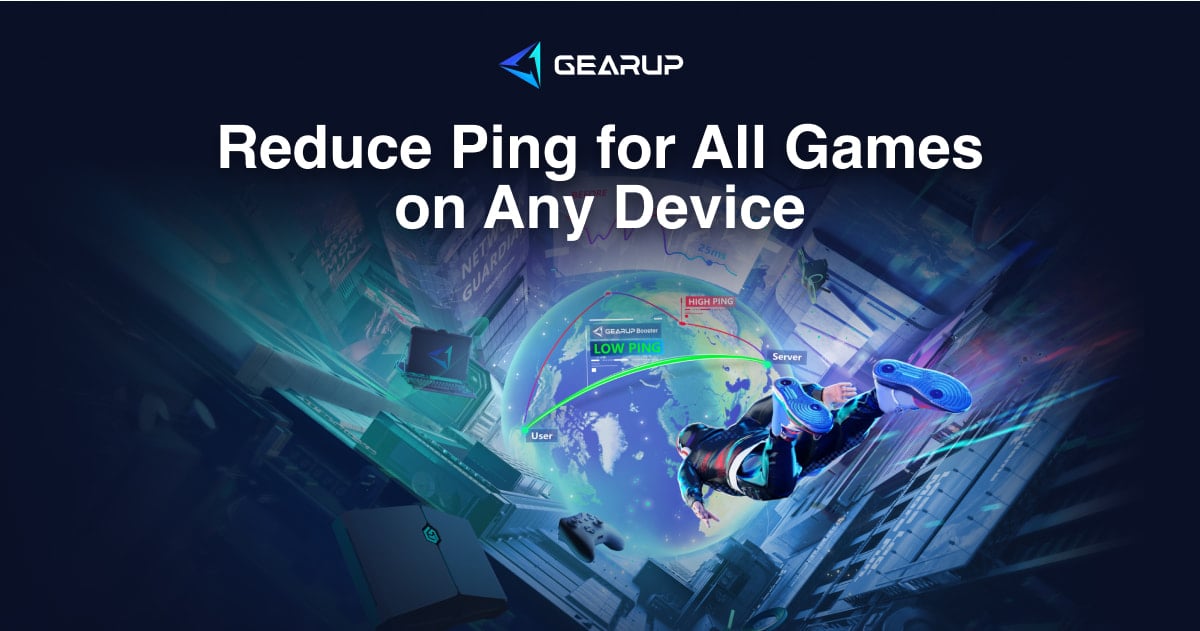
It uses what they call adaptive smart routing. When you launch a game, the software identifies the game server and automatically finds the fastest, most stable path across the network nodes to get your data there and back. Think of it like using GPS during rush hour traffic: instead of sitting on the congested highway your ISP automatically puts you on, it reroutes you down smooth, wide-open back roads designed specifically for speed.
Setting it up was ridiculously simple. I didn’t have to mess with command prompts, IP addresses, or router settings. I just downloaded the desktop app, created an account, and searched for the game I wanted to play. The interface is clean, dark-themed (of course), and very user-friendly. You literally just click your game, hit boost, and launch the game through Steam, Epic, or whatever launcher you use.
My Personal Experience: Putting It to the Test
I decided to test the software during peak evening hours in the US—around 7:00 PM to 10:00 PM—which is traditionally when my local internet node gets bogged down because everyone in the neighborhood is streaming 4K video or gaming.
My first test subject was Valorant. Normally, on the US East servers, my baseline ping sits around 35ms to 40ms, but with random jitter spikes that push it up to 90ms whenever there’s heavy utility spam on screen. With the booster running, my baseline ping dropped down to about 24ms, and more importantly, that jitter completely flattened out. It felt like my shots were actually registering the exact millisecond I clicked. Peeking angles felt crisp again, and I didn’t experience a single micro-stutter during a three-hour session.
Next up, I tested an MMO—Final Fantasy XIV. While MMOs don’t require twitch-reflexes quite like a tactical shooter, packet loss is an absolute killer when you’re trying to dodge boss mechanics. My static group runs raids on the Aether data center, and I used to dread mechanic-heavy phases because a single lag spike meant instant death. Turning the optimization on kept my connection rock solid. Even during chaotic alliance raids with twenty-four players casting flashy spells all at once, my connection didn’t even flinch.
One thing I really appreciate is that it doesn’t mess with my browser speed or download speeds for other apps. Since it only targets the specific game process you select, I could still have Spotify playing music or Discord open in the background without any weird side effects.
How Does It Compare to Other Solutions?
A lot of people ask me, “Why not just use a standard VPN?” Well, I’ve tried that. Free VPNs are terrible for gaming because their servers are overcrowded, and paid VPNs usually prioritize data privacy and encryption over latency. Encryption adds overhead, which actually increases your ping. A gaming-specific optimizer like this bypasses the heavy encryption layer and focuses purely on packet delivery speed.
Another alternative is buying expensive gaming routers with built-in QoS (Quality of Service) features. While those can help if you share your home network with a bunch of family members hogging bandwidth, they can’t fix routing issues outside your house. If your ISP’s routing to a specific game server is inherently messy halfway across the country, a fancy router sitting in your living room isn’t going to magically fix the fiber lines miles away. That’s where software like this shines—it handles the routing on a global network level.
What Other Players Are Saying
My own experience was great, but I wanted to see if other US gamers were getting similar results or if I just got lucky. I dug through Reddit threads, gaming forums, and review sections to see what the community thinks. Here is a snapshot of what real users are experiencing:
“I play a lot of fighting games where a single frame of lag ruins everything. Living in the Midwest, connecting to West Coast or East Coast tournaments was always a gamble with my ping. Since I started using this, my connection stays steady under 30ms. Total game changer for me.” — Marcus T., Chicago, IL
“Honestly, I was ready to cancel my subscription after the free trial because I didn’t think it would do much for my fiber connection. But then I played Apex Legends during prime time and noticed a huge drop in packet loss. No more random red icons flashing on my screen when three squads drop in the same building.” — Sarah K., Dallas, TX
“The best part for me is how easy it is. I’m not a super tech-savvy guy, but the app is literally one click. Plus, it supports almost every game I play, from massive MMOs to smaller indie multiplayer titles. Well worth the small monthly cost.” — Dave R., Seattle, WA
It’s clear from talking to others and reading feedback that your mileage can vary depending on your base ISP and where you live relative to the game servers, but the vast majority of players dealing with routing congestion see measurable improvements.
Key Features That Stood Out to Me
After using it for a while, a few standout features make this tool worth keeping in your digital toolkit:
- Massive Game Library: Whether you’re into massive multiplayer online games, tactical shooters, battle royales, or even sports titles, the game list is huge and constantly updated with new releases.
- Real-Time Monitoring: The app shows you your ping, packet loss percentage, and server status in real time so you can actually see the difference the optimization is making.
- Dual-Engine Technology: It uses multiple nodes simultaneously to ensure that if one path encounters trouble, your data instantly switches to a backup path without disconnecting you from your match.
- Low Resource Usage: The software runs quietly in the background without eating up your CPU or RAM, meaning your actual in-game frame rates won’t take a hit.
Ready to finally banish lag from your gaming sessions and see what your connection can really do? You can check out the platform directly through the link below:
Are There Any Downsides?
I always like to keep things balanced. No software is a magic wand that can fix broken internet cables or a terrible 5Mbps DSL connection. If your baseline internet is fundamentally broken, software routing can only do so much.
Additionally, while there is a free trial period to test things out, it is a subscription-based service if you want to keep using all the advanced features long-term. For hardcore gamers who play competitive titles daily, the cost is minimal compared to buying hardware upgrades. However, if you only play games once a month casually, you might not find the subscription value worth it.
Also, keep in mind that if your local internet routing to a specific game server is already pristine and you consistently get 15ms ping with zero packet loss, this tool isn’t going to magically lower your ping to zero laws-of-physics-defying numbers. It works best when your ISP’s default routing is inefficient or congested.
Final Verdict
At the end of the day, my time with this network booster has been overwhelmingly positive. It solved my frustrating evening lag spikes, smoothed out my packet loss issues in fast-paced shooters, and gave me peace of mind during crucial raid progression in MMOs.
If you’ve been struggling with unexplained high ping, jitter, or rubberbanding despite having a decent internet plan, your ISP’s routing is likely to blame. Instead of suffering through matches or spending a fortune on hardware you might not need, trying out a dedicated game routing tool is a smart first step.
If you want to test it out for yourself and see if it clears up your connection issues, you can head over to the official platform here:
Thanks for reading my review! Let me know in the comments down below what games you’re currently playing and if you’ve tried out any network boosters yourself. Stay lag-free out there, and I’ll catch you in the next post!