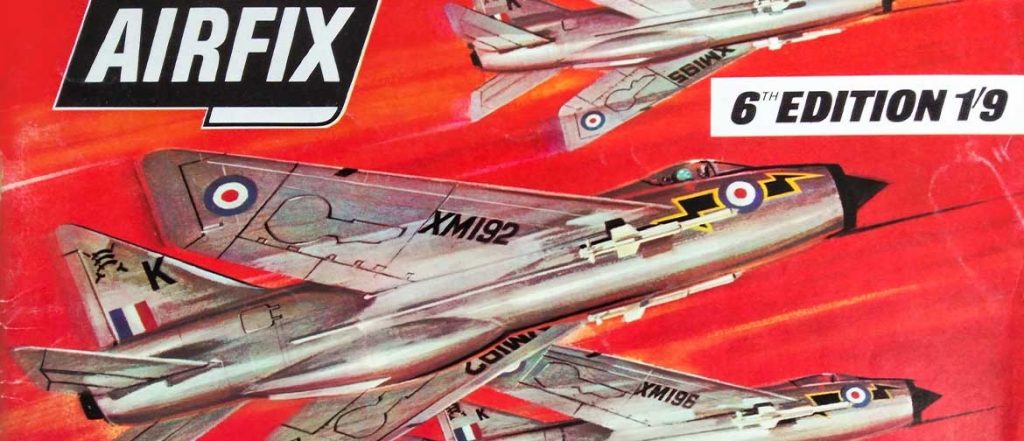

There are some things in life that just stick with you, aren’t there? For me, one of those unwavering constants, a thread running through my life from childhood adventures to adult relaxation, is Airfix. Just saying the name conjures up a specific scent – a mix of polystyrene, plastic cement, and maybe a whiff of enamel paint – that instantly transports me back. It’s more than just a brand; it’s a rite of passage for many in the UK, a creator of memories, and a gateway into a fascinating world of history, engineering, and pure creative joy.
I remember my first Airfix kit like it was yesterday, even though decades have blurred the edges of many other memories. It was a Hawker Hurricane, a Starter Set, I believe. The box art was incredibly evocative, pulling me into a dogfight high above the English Channel. Inside, the grey sprues, the little tube of glue, and the tiny brush felt like treasures. My dad sat with me at the kitchen table, patiently explaining how to snip the parts, file down the nubs, and *carefully* apply the glue. Of course, my first attempt probably looked like it had survived a crash landing rather than a glorious victory, with far too much glue oozing from the seams and paint slapped on a bit thick. But the pride? Oh, that was immense. It was *my* creation.
From that moment on, I was hooked. Birthdays and Christmases often revolved around the latest Airfix release I had my eye on. Spitfires, Messerschmitts, a Lancaster bomber that felt impossibly huge at the time, even a few cars and ships made their way onto my bedroom shelf. Each one was a miniature project, a challenge, and a story waiting to be told. The smell of the plastic, the delicate click of the parts coming together, the meticulous painting of cockpit details – these were the things that made my childhood evenings truly special.
Why Airfix Continues to Captivate Me
Years later, with a more discerning eye and (slightly) steadier hands, I still find myself drawn back to the world of Airfix. Life gets busy, doesn’t it? The daily grind, the constant demands of work and family. But there’s something incredibly therapeutic about settling down with a new Airfix kit. It’s an escape, a form of mindfulness where the only thing that matters is the task at hand: carefully assembling miniature components into something truly impressive.
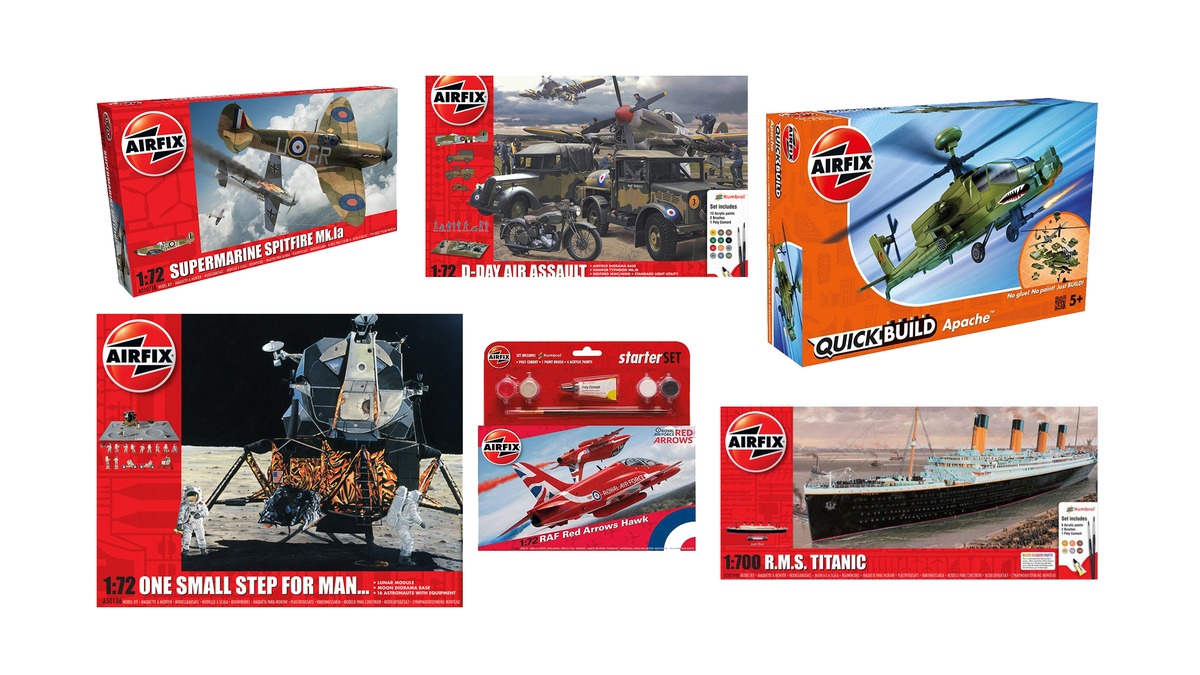
One of the things I truly appreciate about Airfix is its sheer variety. Whether you’re into military aircraft, classic cars, iconic ships, or even historical figures, there’s almost certainly an Airfix kit out there for you. They’ve got everything from simple ‘Quickbuild’ kits that snap together for instant gratification, right up to incredibly detailed, multi-part masterpieces that can take weeks, if not months, to complete. This accessibility means that no matter your skill level or your time commitment, you can find a project that fits.
For me, it’s not just about the finished model; it’s the journey. It’s the history lesson you get when you research the specific markings of a Spitfire squadron or the intricate details of a battleship. It’s the problem-solving when a part doesn’t quite fit perfectly (and let’s be real, that happens sometimes with any model kit, doesn’t it?), or when you’re trying to achieve a weathered effect on a tank. Each step is a small victory.
The Art of the Build: My Process and What I’ve Learned
When I embark on a new Airfix project, I’ve developed a bit of a routine. It starts with carefully opening the box – that moment of anticipation never really fades! Then it’s about studying the instructions, getting a feel for the build sequence, and making sure I understand where everything goes. I used to jump straight in, but I’ve learned that patience at this stage saves a lot of headaches later on.
My workbench, usually a cleared-off corner of the dining table (much to my partner’s chagrin!), is adorned with a few essential tools: a good pair of sprue cutters, a sharp modelling knife for cleaning up parts, various grades of sandpaper or sanding sticks, and of course, plenty of plastic cement. I’ve also invested in a selection of fine brushes for painting and a cutting mat to protect the table. You don’t need a huge array of expensive tools to get started with Airfix, but a few basics make a world of difference.
Painting is where the magic truly happens for me. It transforms a grey plastic shell into a vibrant, realistic miniature. I mostly brush paint, building up thin layers to avoid brush marks. There’s a definite learning curve, and I’ve had my fair share of painting disasters, but the satisfaction of seeing the colours come to life is immense. The subtle shading, the careful outlining of details, the careful application of decals – it’s a meditative process that demands focus and rewards patience.
Speaking of decals, those incredibly thin, sticky transfers that add the final markings and insignia, they can be a challenge! I’ve lost count of the times I’ve torn a decal or put it on crooked. The trick, I’ve found, is plenty of water, some decal setting solution, and a very steady hand. Once they’re on and dry, they really bring the model to life.
Airfix for Everyone: Getting Started (or Re-Started!)
If you’re reading this and feeling a pang of nostalgia, or perhaps curiosity, I wholeheartedly encourage you to dive in. Airfix has made it incredibly easy to get started. Their Starter Sets are fantastic – they come with everything you need: the model, a small pot of glue, a brush, and a few essential paints. They’re perfect for dipping your toe back into the hobby or introducing a younger generation to the joy of making something with their own hands.
Don’t be intimidated by the incredible builds you see online or at model shows. Everyone starts somewhere. My advice? Pick a model that genuinely excites you, don’t worry too much about perfection on your first few builds, and most importantly, enjoy the process. It’s about personal satisfaction, not winning awards.
I often find myself browsing the official Airfix website, dreaming up my next project. It’s packed with information, new releases, and inspiration. If you’re looking to explore the range or pick up a starter kit, I can’t recommend it enough.
Visit Official Airfix Website Now
What Others Are Saying About Airfix
It’s not just me who feels this way about Airfix. I’m part of several online modelling communities, and the sentiment is always the same – a deep affection for the brand and the hobby it represents. Here’s a little snapshot of what some fellow modellers have shared:
* “Airfix always takes me back to my grandad’s shed. We’d spend hours building Spitfires together. Now I do it with my own kids. It’s more than just plastic; it’s family time and history lessons rolled into one.” – *Paul R., Bristol*
* “I started Airfix during lockdown to try and switch off. It’s incredible how focused you get. My first few builds were a bit rough, but I’ve really improved, and there’s such a sense of accomplishment when you finish a tricky kit.” – *Sarah L., Manchester*
* “You know, sometimes the older Airfix kits can be a bit challenging with mould lines or parts that don’t quite align. But for me, that’s part of the fun – it makes you feel like a real modeller, using filler and sanding to get it just right. The new tooling is fantastic, though!” – *Mike D., Glasgow*
* “I just love the sheer variety. One month I’m building a classic Mini Cooper, the next it’s a huge Cold War jet. Airfix really keeps things interesting and there’s always something new to learn.” – *Fiona P., Cardiff*

Evolving with the Hobby: Beyond the Basic Build
As you get more comfortable, the world of Airfix modelling really opens up. You might start experimenting with advanced techniques like weathering (making your models look used and battle-worn), or adding photo-etched parts for incredibly fine detail. I’ve even dabbled in simple dioramas, creating a small scene around my models to tell a story – a Spitfire landing in a dusty field, or a tank rumbling through a muddy track. These are the stages where a model transcends being just an assembly of parts and becomes a miniature work of art.
The beauty of Airfix is that it grows with you. A beginner can enjoy a simple snap-together kit, while an experienced modeller can spend countless hours perfecting a complex, multi-media build. There’s always something new to learn, a new technique to try, or a new historical subject to explore.
The Enduring Legacy of Airfix
Airfix isn’t just a British brand; it’s an institution. It’s a name synonymous with model making worldwide, and its kits have graced shelves and inspired generations of enthusiasts. It’s wonderful to see how the company continues to innovate, releasing new, highly detailed kits with modern tooling while still maintaining that classic Airfix charm. They really do a fantastic job.
Of course, no hobby is without its minor frustrations. Sometimes a tiny part springs across the room, never to be seen again. Sometimes the glue doesn’t quite hold as you’d hoped, or a paint finish isn’t as smooth as you’d envisioned. But these little challenges are part of the journey. They teach you patience, problem-solving, and resilience. And when you finally overcome them, the satisfaction is even greater.
One of my favourite aspects is how Airfix can bring people together. I’ve shared kits with my nephews, watched their eyes light up with the same wonder I felt as a child, and helped them navigate the initial tricky steps. It’s a fantastic way to connect across generations, sharing skills and stories. It’s also incredibly rewarding to see their pride when they’ve finished their own model, however ‘imperfect’ it might be.
My Top Airfix Picks (If You’re Looking for Inspiration!)
If you’re wondering where to start, or what to try next, here are a few of my personal Airfix favourites that I’ve particularly enjoyed building over the years:
* **Supermarine Spitfire (various scales):** You can’t go wrong with an icon, can you? Airfix has many excellent Spitfire kits, from beginner-friendly to highly detailed. It’s a quintessential British aircraft and always a rewarding build.
* **Messerschmitt Bf109:** The Spitfire’s rival, equally historic and offers a different aesthetic challenge.
* **De Havilland Mosquito:** A truly magnificent aircraft, often referred to as the ‘wooden wonder’. The Airfix kits capture its unique lines beautifully.
* **Red Arrows Hawk:** For something a bit more modern and vibrant, the Red Arrows Hawk is a fantastic kit and looks stunning in its distinctive red livery.
These are just a few, of course. The world of Airfix is vast, and there’s always something new to discover. Whether you’re into vintage biplanes, powerful jet fighters, or even intricate warships, you’re bound to find a project that speaks to you.
Final Thoughts: The Enduring Magic
For me, Airfix represents so much more than just plastic models. It’s a connection to history, a creative outlet, a calming escape, and a source of immense personal satisfaction. It’s a hobby that teaches patience, develops fine motor skills, and allows you to create something tangible and beautiful with your own hands. In a world increasingly dominated by screens, the tactile experience of building an Airfix kit is a truly refreshing and rewarding pursuit.
So, if you’ve ever built an Airfix model, dust off those memories. If you’ve never tried, or it’s been years since you last glued a fuselage together, I truly encourage you to give it a go. There’s a whole world of creativity waiting for you, and the sense of accomplishment you get from seeing a collection of plastic parts transform into a detailed miniature masterpiece is truly priceless. Dive into the world of Airfix, and discover the joy of building.
You can explore their full range, find your next project, or grab a starter kit to rekindle that childhood spark by visiting their official website. You won’t regret it!
Visit Official Airfix Website Now
Why not start your own Airfix journey today? The next masterpiece awaits!
Visit Official Airfix Website Now
Happy modelling!