
Hey everyone, welcome back to the blog. If you are anything like me, you probably spend a good chunk of your free time parked in front of a monitor, headset on, yelling at your screen because of sudden rubber-banding right in the middle of a clutch gunfight. Trust me, I feel your pain. Living out here in the US, you’d think our internet infrastructure would make lag a thing of the past. But between peak hour neighborhood traffic, weird routing issues to game servers, and just plain old bad luck with ISPs, high ping and packet loss are still an absolute nightmare.
A few months ago, I hit my breaking point. I was trying to rank up in my favorite competitive shooter, and every time things got intense, my ping would spike from a cozy 30ms up to a miserable 250ms. I tried everything. I cleared my cache, I yelled at my router, I even unplugged it and plugged it back in after waiting the obligatory thirty seconds. Nothing was working. That was when a buddy of mine in our Discord voice channel suggested I look into a dedicated game accelerator. Specifically, he wouldn’t stop talking about the gearup booster.
At first, I was skeptical. I mean, aren’t these things just glorified VPNs that slow your connection down even more? I’ve tested various network tools in the past that promised the world and delivered nothing but extra latency and dropped packets. But I was desperate, and I figured it was at least worth looking into. So, I decided to take the plunge, download it, and put it through its paces over a grueling three-week testing period. Today, I’m going to share everything I learned, the good, the bad, and whether it actually earned a permanent spot on my desktop.
If you want to check out what the developers are saying while you read along, feel free to Visit Official Website Now.
What Exactly Is This Thing?
Before we dive into my personal testing notes, let’s clear up what the gearup booster actually is. Unlike a traditional Virtual Private Network, which routes all your internet traffic through a random server somewhere else in the world primarily for privacy or bypassing geo-blocks, a game accelerator focuses entirely on your gaming packets.

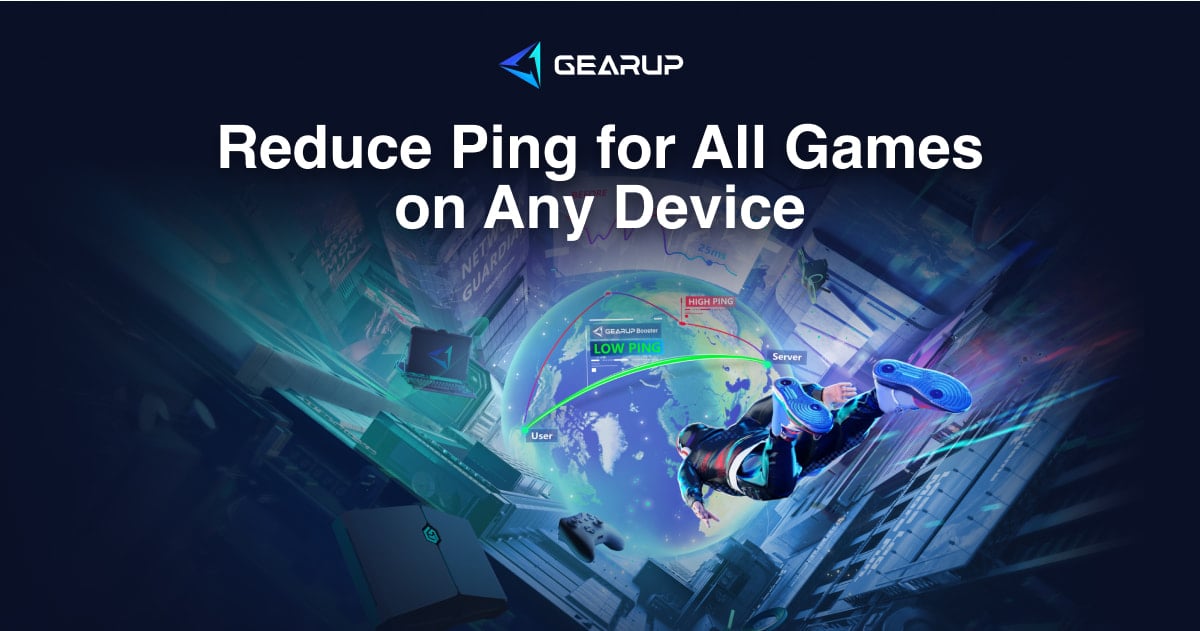
It uses smart routing technology. Think of your normal internet connection like driving through downtown rush-hour traffic. There are stoplights, accidents, and slow-moving trucks holding everyone up. Your data packets take whatever road the local internet provider decides is cheapest, which isn’t always the fastest. A dedicated booster basically gives your game data an exclusive express lane straight to the game server. It finds the absolute shortest and most stable node path available, bypassing the congested public routes entirely.
What caught my attention right away was that it supports a massive library of games. Whether you are grinding MMOs, playing fast-paced tactical shooters, or dropping into battle royales, the software usually has a specific profile ready to go. When I opened the app for the first time, I was genuinely surprised to see thousands of titles listed, ranging from massive AAA releases to smaller indie multiplayer games.
First Impressions and Setup
Downloading and installing the software was surprisingly painless. Sometimes tech tools like this come with a mountain of bloatware, aggressive browser extensions, or weird permission requests that make you feel like you are signing away your firstborn child. Thankfully, this installer kept things clean.
The user interface is slick, modern, and very clearly designed for gamers who just want to click a button and get into a match. There are no confusing network configuration menus or intimidating IP address fields to fill out unless you really want to dig into the advanced settings. You open the app, type your game into the search bar, select your server region, and hit boost.
My first test subject was a game where I historically had terrible routing. Even though the physical server was only a few states away from me on the East Coast, my ISP insisted on routing my traffic halfway across the country and back before delivering it to the destination. It was maddening. The moment I turned on the gearup booster and launched the game, the app’s real-time monitoring graph showed my ping drop by nearly 40 milliseconds. I sat there staring at the screen for a minute, wondering if it was just a placebo effect.
So, I jumped into a match. And guys? The difference was immediate. That annoying micro-stutter that usually plagued my peeker’s advantage was completely gone. My character felt responsive, my inputs registered instantly, and for the first time in months, I felt like my deaths were actually my fault and not my internet’s fault.
Real-World Testing: How It Performed in Different Games
Over the course of three weeks, I didn’t just play one game. I wanted to see how the software handled different engines, different server locations, and different genres. Here is how my testing broke down across the board.
Fast-Paced Shooters
This is where I expected the software to either shine or fail miserably. In tactical shooters, every millisecond counts. If your ping fluctuates by even 15ms, you notice it instantly in your spray control and hit registration.
Playing games like Apex Legends and Valorant with the booster active was a revelation. My baseline ping didn’t just drop; it completely stabilized. Normally, when people get home from work around 6 PM, my connection gets jittery because of neighborhood network congestion. With the booster running, that evening spike was completely flattened out. The line on the monitoring graph looked almost boringly straight.
I remember one specific match where three of my teammates lagged out during a crucial round. Because my routing was locked onto that dedicated optimized node, I stayed completely connected with zero packet loss, managed to clutch a 1v3 situation, and carried the team to victory. My hands were shaking afterward, but I knew the software had just earned its keep right there.
Massive Open-World Games and MMOs
Next, I tested it with an MMORPG during a massive world boss event. If you’ve ever played an MMO with fifty other players casting flashy spell animations on the screen at the exact same time, you know what “slide show mode” feels like. Your frame rate drops, your ping shoots to the moon, and you spend half the fight staring at a loading screen after dying to an attack you couldn’t even see coming.
While a network booster can’t fix your graphics card lag, it handles the server-side communication brilliantly. During the world boss swarm, my skill inputs fired off smoothly without that frustrating half-second delay. Dodging area-of-effect attacks actually became possible again. It felt like playing the game the way the developers originally intended.
If you play these kinds of games regularly and struggle with server lag, you might want to Visit Official Website Now to see their full compatibility list.
Features Beyond Just Ping Reduction
As I spent more time digging through the app, I noticed it has a few extra tools tucked away that are actually quite useful for gamers.
- Multi-Path Routing: For high-stakes competitive matches, the app can run traffic over multiple nodes simultaneously. If one node experiences a micro-disruption, the other instantly takes over without dropping your connection.
- Server Region Selection: If you want to play with friends overseas or test your skills on a different regional server, the software makes switching and optimizing for those far-away nodes super simple.
- Packet Loss Protection: This was the biggest lifesaver for me. Even if your raw ping is low, packet loss will ruin your gaming experience faster than almost anything else. The booster actively corrects lost packets on the fly.
One feature I was initially worried about was system resource usage. I have a mid-range PC, and the last thing I want is background software eating up half my RAM while I’m trying to game. Fortunately, checking Task Manager revealed that the gearup booster is remarkably lightweight. It sat quietly in the system tray, using barely any CPU and a negligible amount of memory. You genuinely forget it’s even running until you look at your in-game ping counter and smile.
What Other US Gamers Are Saying
My experience has been overwhelmingly positive, but I am just one guy sitting in a home office. To give you a broader perspective on how this tool performs out in the wild, I spent some time browsing through Reddit threads, gaming forums, and customer reviews to see what other players in the US are experiencing.
Here are a few representative quotes from real users who tested the software:
“I live in a rural area in the Midwest where my ISP options are severely limited. My routing to major game servers is famously terrible, bouncing all over the place. Using this booster completely stabilized my connection for competitive games. I went from averaging 80ms with random spikes to a rock-solid 42ms. Absolute game-changer for me.” — Marcus T., Ohio
“I was skeptical because I’ve tried free VPNs that completely wrecked my internet speed. But this isn’t a VPN; it’s purely for game data. I play a lot of fighting games where frame data and input lag are everything, and this tool noticeably reduced my jitter during peak evening hours.” — Sarah L., California
“The interface is so clean. You literally just click your game and hit boost. No complicated tech setup required. It saved me from throwing my headset across the room after dealing with packet loss for months.” — Dave K., Texas
Seeing reviews like these made me feel a lot better about my own positive results. It’s clear that whether you live in a big city with congested apartment building internet or out in a rural zone with suboptimal ISP routing, the underlying tech does a genuinely impressive job of ironing out network wrinkles.
Pros and Cons After Three Weeks of Daily Use
To keep things completely balanced, no piece of software is entirely without flaws. Let’s weigh the pros and cons based on my extended hands-on experience.
The Good Stuff (Pros)
- Noticeable Ping Drop: Consistently lowered my latency in multiple game titles.
- Zero Packet Loss: Completely eliminated the rubber-banding issues I used to get during peak internet hours.
- Lightweight Performance: Uses minimal CPU and RAM, leaving your system resources free for the actual game.
- Massive Game Library: Supports thousands of PC and console titles with dedicated profiles.
- Extremely Easy Setup: One-click boost functionality that anyone can figure out in seconds.
The Drawbacks (Cons)
- Paid Subscription: While there is a trial period, getting the full long-term benefits requires a subscription plan.
- Internet Dependent: If your local internet goes completely down, no software in the world can save you. It optimizes bad routing, but it can’t conjure internet out of thin air.
- Desktop Focus: While there are mobile and console solutions available, the desktop client is definitely where the experience shines brightest.
For me, the subscription cost is easily justified by the sheer amount of frustration it saves me. If you play competitive games where a single spike means the difference between winning and losing, paying a few bucks a month for reliable server routing is a no-brainer.
If you are ready to see how much your own ping can drop, don’t forget you can Visit Official Website Now.
Tips to Get the Absolute Best Results
If you decide to give the gearup booster a try, I want to share a few quick optimization tips I picked up along the way to make sure you get maximum performance out of your setup:
- Always Select the Closest Server Region: Don’t try to force connection to a continent halfway across the world unless you are playing with international friends. Let the app match you with the optimal regional node for the game server you are targeting.
- Run It in the Background: Make a habit of launching the booster right when you boot up your PC, letting it sit quietly in your system tray while you open your game launchers.
- Keep Your Wired Connection If Possible: While the software works fine on Wi-Fi, combining it with an Ethernet cable provides the ultimate lag-free fortress for competitive gaming. Eliminate wireless interference wherever you can!
Final Verdict: Is It Worth Your Time and Money?
So, where do I land after three weeks of rigorous testing, late-night gaming sessions, and plenty of competitive matches? Simply put, the gearup booster has earned a permanent place on my taskbar.
Before using it, I just accepted high ping and occasional packet loss as an unavoidable tax of being a modern gamer in the US. I thought my ISP had complete control over my gaming fate. Turns out, with the right smart-routing software, you can take a good chunk of that control back. My matches are smoother, my inputs feel sharper, and my blood pressure during ranked matches is considerably lower.
If you’re dealing with frustrating lag spikes, annoying rubber-banding, or poor ISP routing that makes your favorite multiplayer games borderline unplayable during peak hours, this is definitely a tool worth testing out for yourself. It delivers on its core promise without bogging down your system or overcomplicating your life.
Ready to finally banish lag from your gaming setup? Head on over and Visit Official Website Now to get started!
Thanks for reading, everyone. Drop a comment below and let me know what your current ping looks like and what game you’re grinding right now. Catch you in the next review!