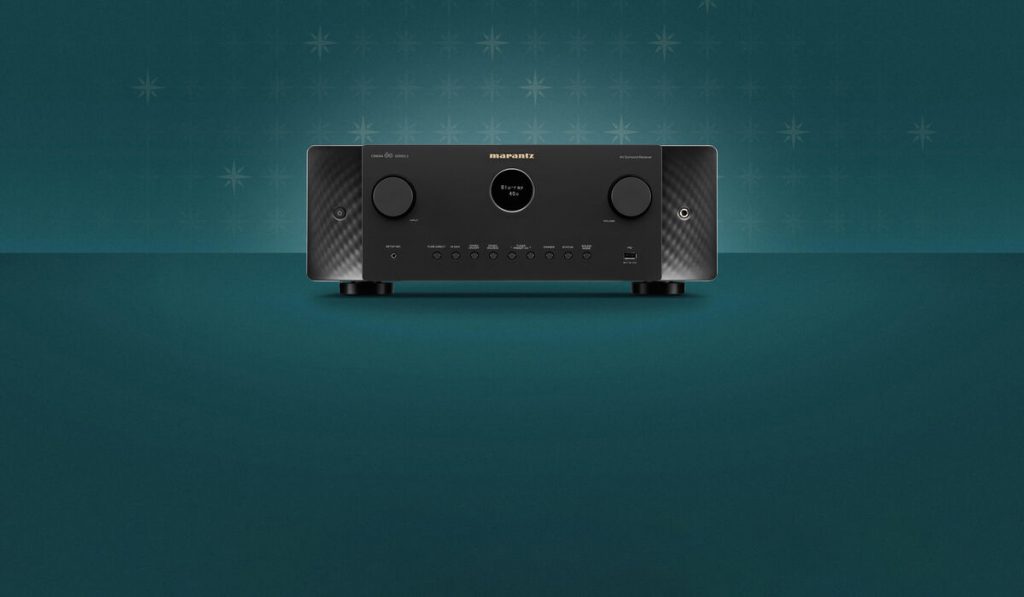

I’m not going to pretend I’m some high-end audio snob who spends hours measuring THD or obsessing over interconnect cables. I’m just a guy who wanted better sound in his living room without buying a whole wall of gear from 1987.
When I finally upgraded my system to a Marantz receiver last year, I honestly didn’t think it would make that big a difference. I was wrong. Here’s what actually happened, what I love, and what I wish I’d known before buying.
And if you’re on the fence, you can check out the lineup at Visit Official Website Now before you decide what to grab.
First, some context: what I was coming from
I’d been using a generic 5.1 receiver from the early 2010s that I got with a bundle deal. It did the job. Movies played, the kitchen speakers hummed during football, and nobody complained. But there was this muddy feeling, like someone was talking through a thin wall. Vocals were recessed and the treble got shrill on podcasts.
I had two requirements:
- I stream most of my music through a laptop or phone, so I needed solid streaming options and Wi-Fi that actually works.
- My apartment has a small dedicated speaker closet, so I wanted something with serious built-in amps without making me buy an external power amp.
After about three weeks of reading forums, YouTube reviews, and arguing with myself, I landed on Marantz. It wasn’t the cheapest option, but the reviews consistently praised the sound signature, and the design looked clean enough that it wouldn’t scream “I take audio way too seriously” to my guests.
Disclosure: some of the links in this post may earn a small commission at no extra cost to you. It doesn’t affect my opinion, which I’d say the same either way.
Unboxing and first impressions
When the Marantz receiver arrived, the first thing that hit me was the weight. These things aren’t plastic. The build feels like it belongs on a real shelf, not inside a media cabinet with zero ventilation. The knobs are tactile, not clicky, and the front panel looks like it was designed by someone who actually likes looking at things.
I plugged it in, ran the auto speaker calibration (which, again, no one should trust 100%, but it gets you surprisingly close), and put on a record I haven’t played in years. The difference was immediate. Bass had shape to it instead of just “there,” and the midrange opened up. It felt like the sound had a floor under it.
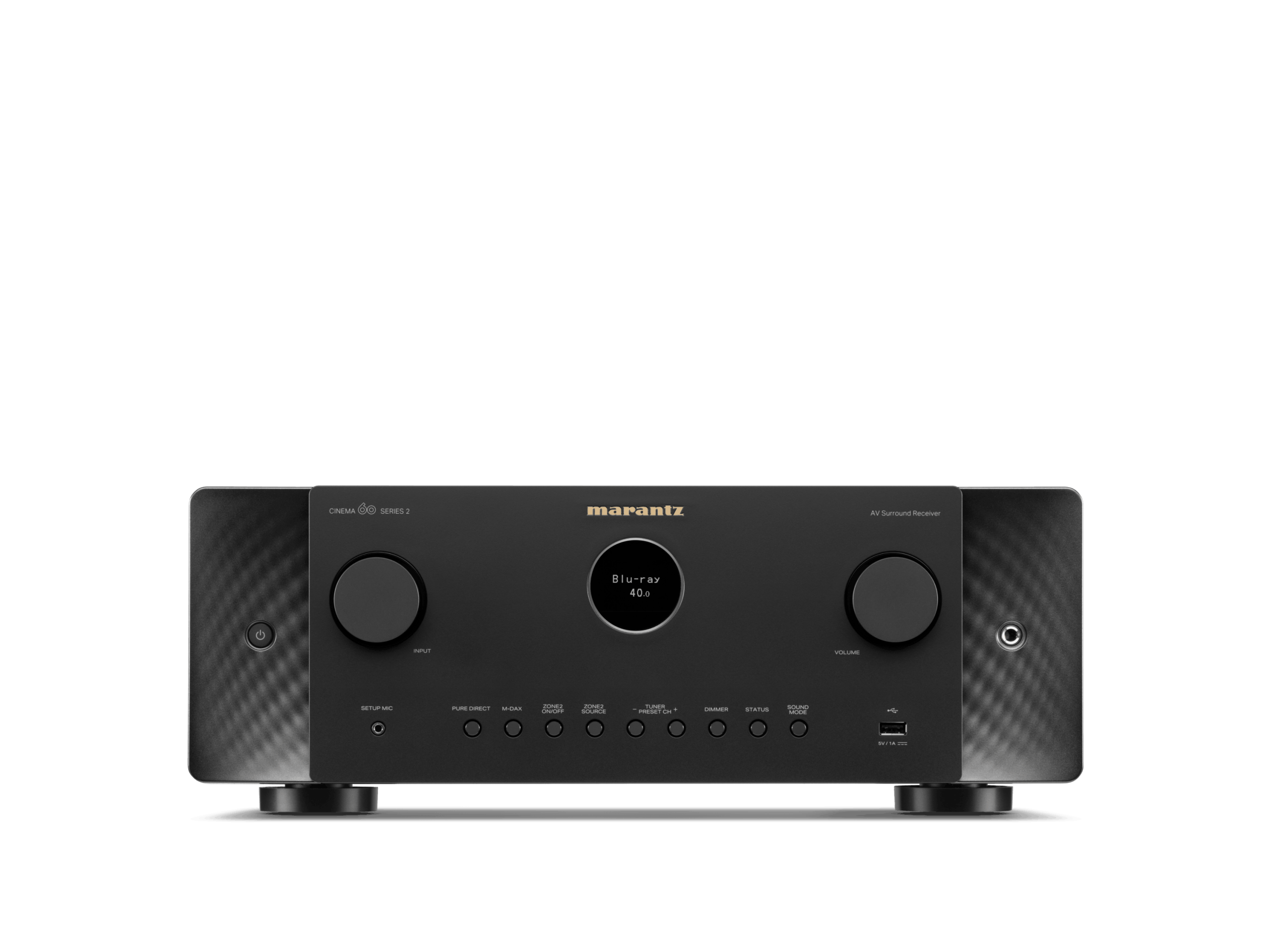
The remote is big, which some people hate. Personally, I love it. I don’t fumble around for a phone app when I just want to turn up the volume at 11pm while everyone’s asleep. But the app is genuinely useful for everything else.
What the actual sound is like
If I had to pick one word, I’d say “warm” — but not the fake “warm” that just means muffled. Marantz receivers have that signature midrange that makes vocals sit right at the front of the mix. Jazz, acoustic, and classic rock sound great. I listen to a lot of stuff that’s decades old, and it never gets fatiguing.
For movies, it’s not a one-trick pony. The built-in processing is decent, but I’ll be upfront: it’s not going to replace a dedicated home cinema setup with a dedicated sub and height speakers for a $2,000 Atmos system. That’s not what these are for. For what they are, though — a great one-box solution that makes music sound good and movies sound better than they have in years — they nail it.
I was especially surprised by the digital-to-analog quality out of the preamp section. I use the sub out for a single sealed subwoofer, and the bass extension is cleaner than I expected. No boomy, no undefined low-mid bloat. It just works.
If you want to see the current models and read the full spec sheets, head over to Visit Official Website Now — they post the tech specs clearly, which is more than you can say for most brands.
Streaming and the Marantz app
This is where a lot of receivers in this price range embarrass themselves. Marantz has one of the better apps out there. Not perfect, but better than most. The Wi-Fi is stable, the Bluetooth pairing is quick (I use it for phone music all the time), and the AirPlay support means I can send music straight from my laptop without opening a browser.
The app also gives you access to some nice streaming services and a built-in tuner if you still get that kind of thing. I don’t use the radio anymore, but I keep it around because it’s free and occasionally works.
One thing I wish they’d improved: the multi-room feature. It’s there, but it feels like an afterthought compared to the ecosystem some of the newer brands have. For a dedicated listening room, Marantz is still the way to go.
Customer feedback: “I’ve used several Marantz models over the years and the sound is always warm and forgiving. My wife said it’s the first receiver we’ve owned that doesn’t make her wince at high volumes.” — David R., Portland OR
Setup and calibration: the part nobody warns you about
Here’s something I learned the hard way: run the auto calibration, then ignore it for 10 minutes, then re-run it. The first pass places the microphone and measures, but the second pass often gives you a much more accurate picture. Not always, but enough times that I do it every time now.
The calibration mic that comes with the receiver is fine, but I’ve found that if you have a lot of carpet or a very quiet room, the measurements can drift. If you’re the type who wants to be surgical about it, a measurement app on your phone and a decent mic will get you further. I’m not that person. I just want the room to sound right.
Also, don’t skip the “setup” menu on the receiver itself. There are settings for speaker type, crossover, and room correction filters that actually change the sound in small but meaningful ways. I tweaked the crossover from 80 to 60 and my sub got noticeably cleaner.
Everyday use: what I actually do with it
Most days, the receiver is doing one of three things:
- Morning coffee: Bluetooth from my phone, playing low volume while I read the news. It holds the connection fine, and I can do other things on my phone without it dropping.
- Evening music: AirPlay or wired connection from my laptop, playing jazz or classical. This is where the warm signature really shines. I’ve found that I turn it down about 10% lower than I used to, because the detail is all there even at lower volumes.
- Weekend movies: HDMI from the soundbar or a streaming box, with the sub and surrounds going. Not a 7.1.2 setup, but it makes movies feel bigger than they have in years.
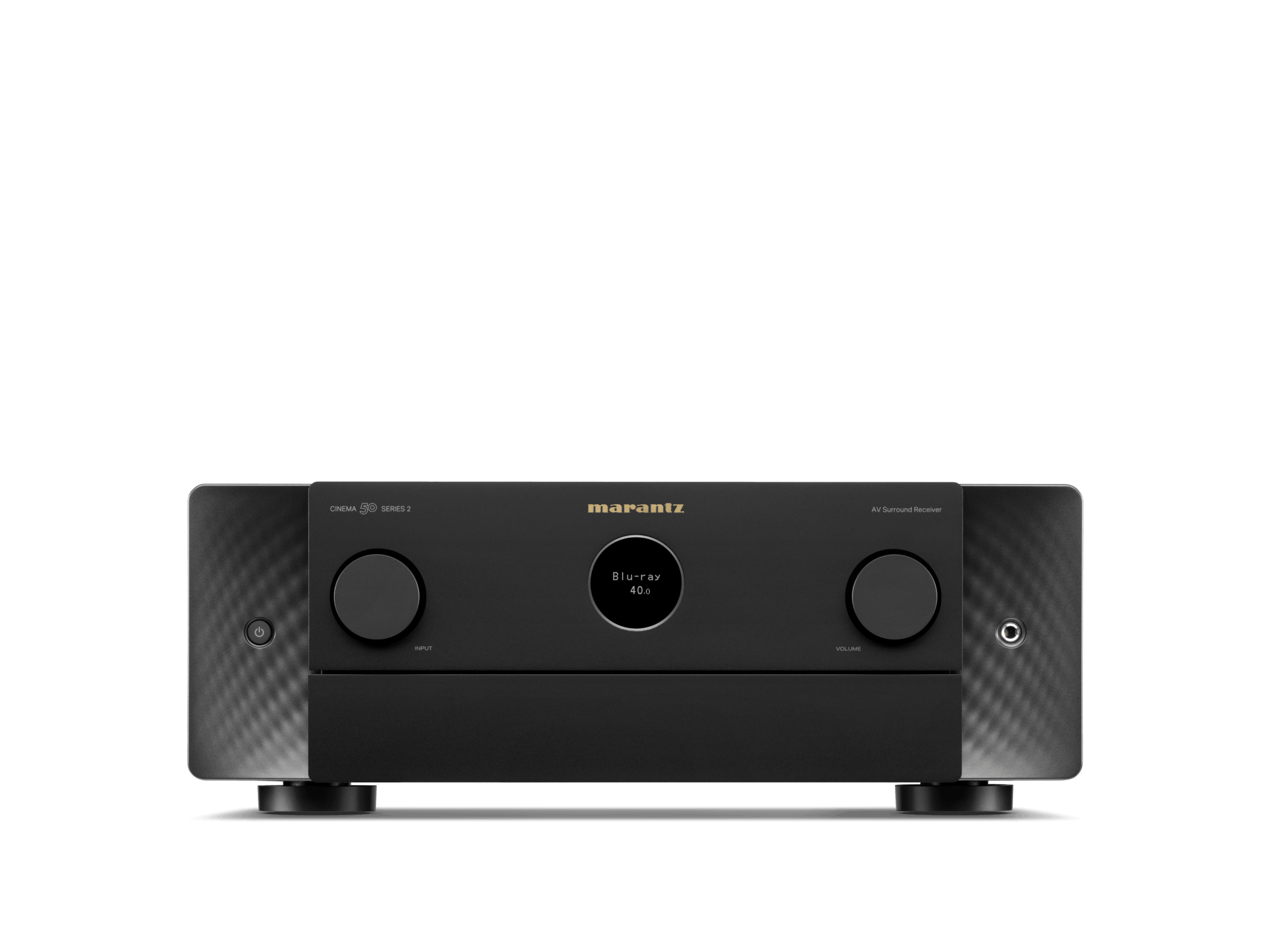
The thing that surprises people when I show them my setup is that it looks almost boring. No glowing LEDs, no rack of equipment, just a clean front panel and a remote. My friend Mike came over last month, looked at the receiver, and asked if I’d “wasted money.” I just handed him the remote and put on a record. He didn’t say anything for the first two songs. That’s the best compliment I’ve ever gotten from that friend.
Customer feedback: “I replaced my old Denon with a Marantz and the sound is so much cleaner. I listen to vinyl almost every night now and it’s a treat. The remote is big but it’s the first time I’ve actually liked a remote.” — Sarah K., Chicago IL
The downsides: what I don’t like
Not everything is perfect, so here’s the real talk:
- Price. Marantz receivers in the mid-to-upper range aren’t cheap. You’re paying for build quality, the sound signature, and the brand. If you’re on a tight budget, there are cheaper options that will get you 80% of the way there. But that last 20% is where Marantz earns the premium, and that’s the part that makes it feel like a piece of gear you’ll keep for a decade.
- The app is good, not great. I mentioned the multi-room gap. The interface is clean and the streaming works, but if you’re coming from a system where the app is the whole experience, you might want to look at alternatives. Marantz is still primarily a receiver first, app second.
- No Dolby Atmos on every model. If you want a full Atmos setup with height channels, not all the current models support it out of the box. Check the specs before you buy. Some models will need an external processor or a new generation to get you there. It’s not a dealbreaker for most people, but it’s something to know.
Customer feedback: “I love the sound, but the multi-room feature is still behind what Sonos offers. I use my Marantz for the main room and a separate system for the rest of the house. It’s not a flaw per se, just something to be aware of.” — Marcus T., Austin TX
Who should buy a Marantz receiver
Here’s my take, after a year of daily use:
Buy it if:
- You stream most of your music and want a receiver that handles it well without you opening a browser.
- You care about the sound signature. Warm, midrange-forward, and forgiving is a specific thing, and not every receiver does it. If you’ve ever loved a Marantz or a similar “warm” brand, this is your lane.
- You want a clean, no-frills setup that looks good and sounds great without you spending a weekend calibrating.
- You’re a vinyl listener. The phono preamp is built into many models, and it handles records without you needing a separate preamp.
Skip it if:
- You’re on a strict budget and can live with a slightly less refined sound. A cheaper receiver will still do the job.
- You want a full ecosystem with multi-room, smart speaker integration, and a polished app as the main interface. Marantz is great, but it’s not the entire experience.
- You need top-tier Atmos support and don’t want to add external gear. Check the model before you commit.
If you’re leaning toward buying, the best place to compare models and see what’s in stock is the official site. You can Visit Official Website Now to see the current lineup and read the specs side by side. I’d strongly recommend comparing the model you’re thinking of with one or two others before you pull the trigger.
Final thoughts
A year later, I’d buy it again. Not because it’s the cheapest option on the market, and not because it’s the most feature-packed. I’d buy it again because it makes me want to listen to music, not just have it playing in the background. The warm midrange, the clean bass, the stable streaming, and the fact that it looks good on a shelf — those are the things I use every single day.
If you’re the type who wants to open a receiver, run calibration, put on a record, and just enjoy the next two hours without thinking about gear, that’s the sweet spot. Marantz is not trying to be everything. It’s trying to be the best one-box solution for people who care about how music sounds. And for that, it’s worth it.
Customer feedback: “I was worried about the price, but a year in I don’t regret it. It’s the first receiver I’ve owned that I actually turn on to listen to, not just to have playing in the background.” — Emily W., Denver CO